+1 740 762 6496
 +91 70189 46603

Contact Us
"Looking for the Werover app or your Werover dashboard? Visit werover.com or open the app. This page is the story of how we built the platform."
Managing hundreds of turbines across wind farms is no simple task. Werover changed that by putting full operational control into the hands of admins and live turbine health data into the palms of field users — all through one seamlessly connected platform.
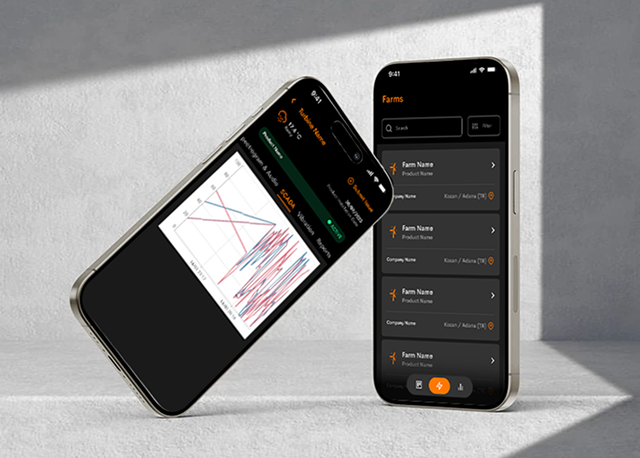
Werover is an IoT-focused company specializing in wind turbine health monitoring. As a trusted mobile app development company, we designed, built, and deployed their entire digital ecosystem from scratch — a cross-platform React Native mobile app (iOS & Android) and a full-featured Admin Panel.
The system integrates real-time turbine data, firmware management, SIM card control, automated PDF reporting, and role-based notifications to help wind farm operators scale their operations with confidence.
We studied the wind turbine monitoring space, analyzed legacy API vulnerabilities, and identified gaps in how field users interacted with turbine data.
We crafted intuitive UI/UX flows in Figma for both the Admin Panel and the mobile app, ensuring clarity for both technical admins and field-level users.
Core features built: Device & SIM management, PDF report generation, real-time turbine sync, role-based push notifications, and AWS S3 firmware uploads.
Rigorous cross-platform testing across iOS and Android, including FCM notification behavior, paywall edge cases, and API response accuracy.
The platform launched to immediate operational impact — admins gained centralized control and users received real-time, relevant turbine insights.
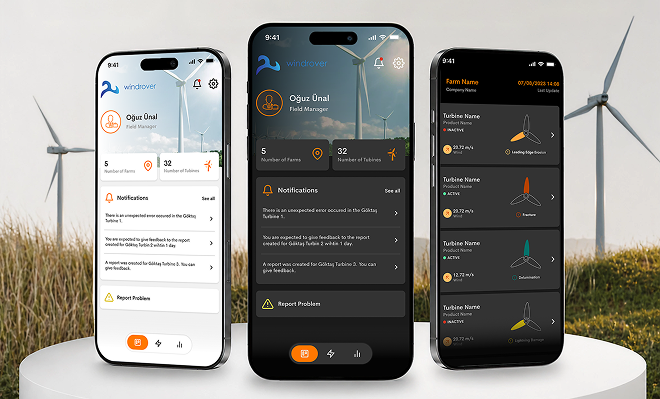
Werover provides wind farm operators and maintenance teams with a single, integrated platform to manage turbines, SIM cards, firmware updates, and client-facing reports. The Admin Panel serves as the operational backbone, while the mobile app delivers a clean, real-time view of turbine health to end users.
The frontend (Admin Panel) is built with React 18 + TypeScript + TailwindCSS + Vite, the mobile app is developed in React Native, and backend integrations run through REST APIs with AWS infrastructure.
4–5 People
(Full-Stack Dev + Designer + QA)
2-3 Months
Design
Development
Launch
Building a live IoT monitoring ecosystem came with significant technical and design hurdles that our team identified and resolved throughout the project lifecycle.
The existing AWS Gateway code was duplicated and insecure. Every endpoint required a full audit before integration could proceed safely.
New turbines defaulted to a "Healthy" state even before receiving any real sensor data — misleading admins and field teams on the ground.
The notification system was firing multiple emails for the same event, causing confusion across admin and user roles.
Push notification behavior differed between iOS and Android, requiring a custom FCM implementation and extensive device-level testing.








Wind energy management should not be fragmented across spreadsheets, manual inspections, and siloed tools. Werover's vision is to put real-time turbine intelligence in one place — accessible to both operations teams and clients.
Live sync of turbine health, device status, and severity indicators — with color-coded SVG visuals to reflect accurate damage levels at a glance.
Admins can upload, configure, and deploy firmware to specific devices directly through AWS S3 — no manual intervention required.
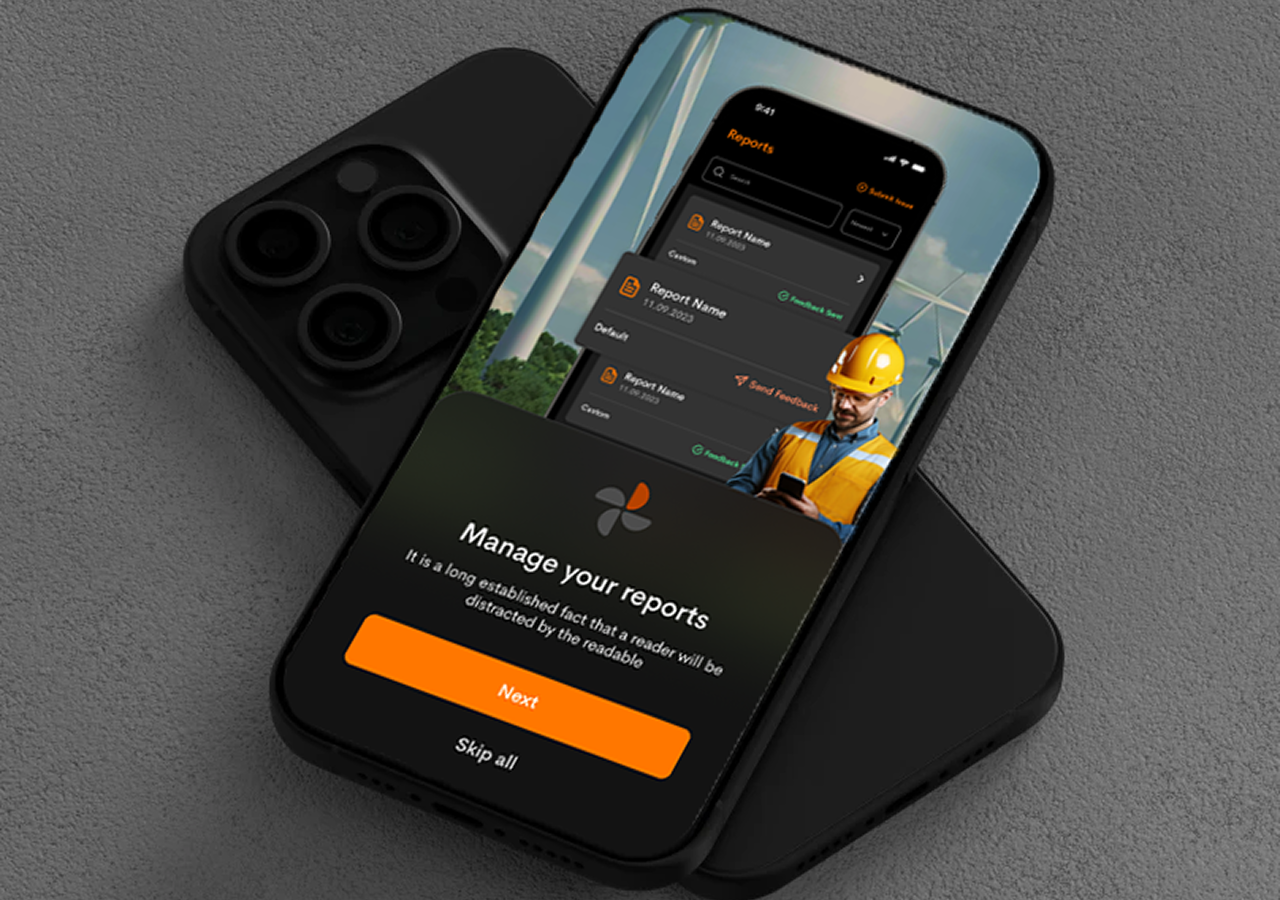
Dynamic, client-ready PDF reports featuring blade damage visuals, pie charts, and custom notes — previewable by admins before generation and delivery.
Level 1 and Level 2 users receive only relevant alerts — weekly reminders, new reports, and turbine reassignments — without notification overload.

New turbines defaulted to "Healthy" even before receiving real data. We replaced this with a neutral "Pending" state to always reflect truthful, real-time information.
The existing AWS Gateway code was duplicated and insecure. We audited and refactored all endpoints into reusable, well-secured functions across the entire backend.
The notification system was firing multiple emails for the same event. We rewrote the logic to ensure clean, deduplicated delivery across both email and push channels.
All users were receiving all notifications regardless of relevance. We implemented filtered access so Level 2 users only receive updates for wind farms they actively manage.
Admins now manage all devices, SIM cards, and firmware from a single panel — replacing 3+ disconnected tools and eliminating manual back-and-forth entirely.
Field users get a unified view of turbine health, reports, and alerts — all scoped to their assigned wind farms, with zero irrelevant noise.
PDF reports that previously required manual formatting are now auto-generated, visually rich, and client-ready — with multi-language support already architected for future rollout.
Weekly push reminders and real-time alerts drove consistent daily logins — with both admin and field users returning to the platform regularly post-launch.
Werover is not just a monitoring tool — it is a complete operational platform for the wind energy sector. From device configuration to client-facing reports, every layer of the ecosystem was built with precision and purpose.
Auspicious Soft delivered a platform that is fast, scalable, and engineered to grow alongside Werover's expanding network of wind farms. From initial planning to full deployment, the entire digital platform — a high-performance mobile app and a robust Admin Panel — was built and tightly integrated with existing backend systems.
The new ecosystem empowers their team to work more efficiently while giving customers the insights and control they need, all wrapped in a clean and intuitive user experience.
Werover is an on-demand rental marketplace with real-time availability, in-app payments, and separate owner and renter experiences. Most marketplace platforms share that same core: two user types, a booking engine, payments, and trust systems. We can tell you what your version costs before you commit to anything. Send us your requirements and you will have a scoped, fixed-price estimate within two hours
It brings device management, turbine monitoring, SIM card control, and automated reporting into one unified platform — eliminating the need for fragmented, disconnected tools.
React Native allows a single codebase to deliver native performance on both iOS and Android, ensuring a consistent and high-quality user experience across all devices.
The main challenges were refactoring a vulnerable legacy API, fixing duplicate notification logic, and ensuring accurate turbine status display using real-time sensor data.
Admins gained centralized control over all turbine operations, users received accurate health data and relevant notifications, and PDF reporting became fully automated and client-ready.


5 reviews

86 reviews

1 reviews
We look forward to hearing from you.
The Auspicious Team will be happy to help you with
custom software development and IT staffing.