+1 740 762 6496
 +91 70189 46603


TABLE OF CONTENT
- What Are Fitness Apps?
- Primary Features Of Fitness Apps
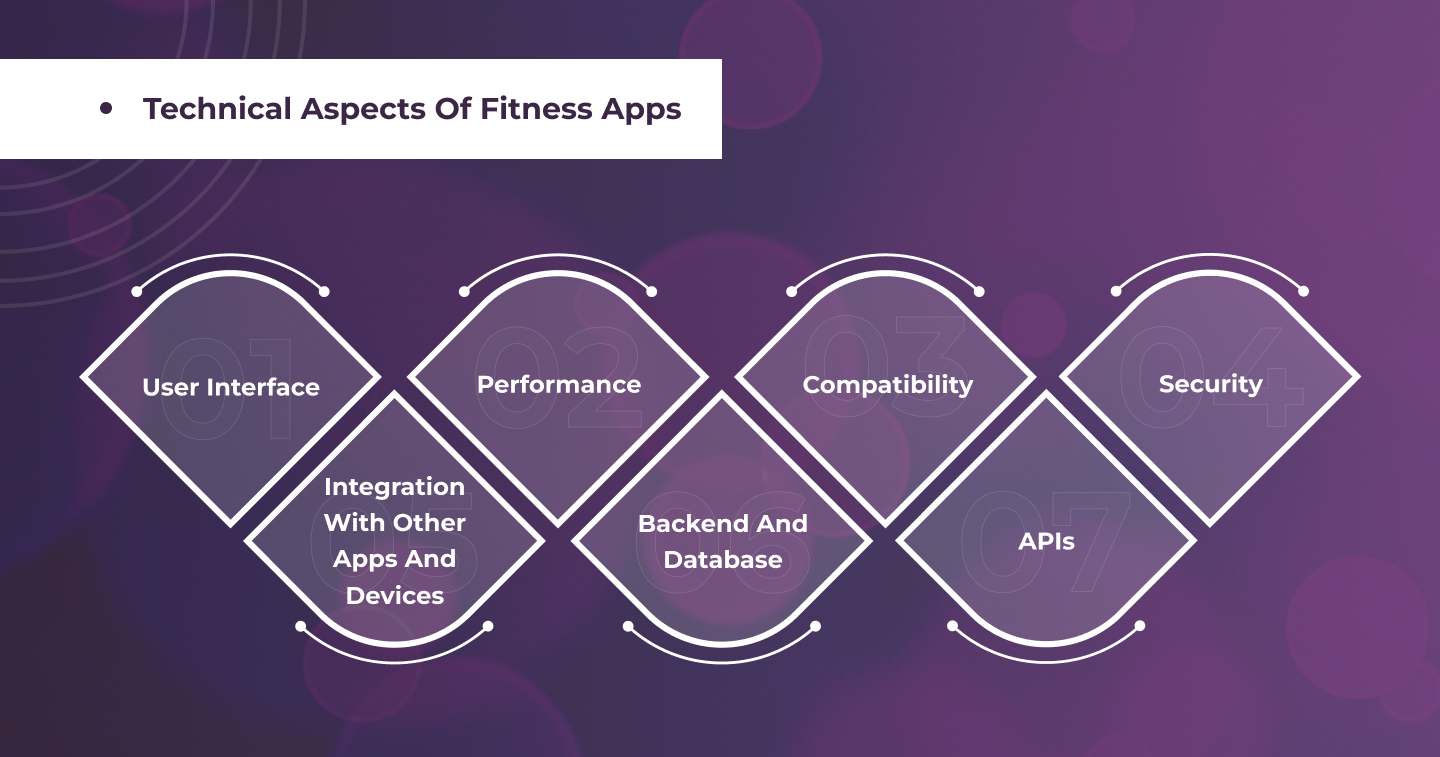
- Technical Aspects Of Fitness Apps
- Benefits Of Building Fitness Apps
- Features That Vary The Cost Of Building A Fitness App
- Cost Estimates For Each Segment Of Building A Fitness App
- Types of Fitness Apps and Their 2026 Cost Ranges
- Conclusion
- FAQs
Overview
- The cost of developing fitness apps with features like workout tracking, diet plans, and progress analytics.
- It explains different app types such as personal training, activity tracking, and wellness apps.
- Costs depend on features, integrations with wearables, and UI/UX design.
- Advanced features like AI coaching increase expenses.
- The post emphasizes user engagement and personalization.
- It concludes with cost-saving tips such as starting with basic features and scaling gradually.
AI Summary:
A basic fitness tracker costs $15,000–$30,000. A full-featured app with AI coaching, nutrition tracking, and wearable sync costs $60,000–$150,000. Timeline: 3–10 months depending on scope.
The global fitness app market is projected to reach $35.7 billion by 2030 — more than doubling from its 2023 value — fuelled by the rise of AI personal trainers, wearable integration, and virtual workout communities. Apps like MyFitnessPal, Nike Training Club, and Peloton Digital have set the bar for what users expect from a fitness app in 2026.
This guide, updated by Auspicious Soft’s development team from our 2026 fitness app project portfolio, provides the most current cost estimates, feature requirements, and technology recommendations for building a successful fitness app today.
However, building a fitness app can be a complex and expensive process. There are several factors that can affect the cost to building a fitness app, such as the features included, the development team’s location, and the level of customization required. In this blog post, we will break down the cost of building a fitness app in 2023 and explore the features that can affect the cost. We will also discuss the benefits of developing a fitness app and why it’s a worthwhile investment. So, if you’re thinking of building a fitness app, keep reading to learn more!

What Are Fitness Apps?
Fitness apps are mobile applications designed to help users achieve their fitness goals. These apps typically provide a range of features that allow users to track their workouts, monitor their nutrition, set goals, and get personalized feedback and recommendations. With fitness apps, users can access a virtual personal trainer, nutritionist, and workout buddy all in one convenient and easy-to-use app. These apps can also provide users with motivation, community support, and the ability to compete with friends and other users, making fitness more engaging and fun. Whether you’re a seasoned athlete or just starting on your fitness journey, fitness apps can help you stay accountable, track your progress, and reach your goals.
Primary Features Of Fitness Apps
One of the reasons for their popularity is the range of features they provide. Here are some of the primary features of fitness apps that make them so useful for users.
● Workout Tracking:
One of the most important features of fitness apps is workout tracking. With this feature, users can log their workouts, including the type of exercise, duration, and intensity. This information helps users monitor their progress, set goals, and make adjustments to their workouts as needed. Some apps also offer a variety of workout options, including pre-made routines or customized plans created by personal trainers.
● Nutrition Tracking:
Another key feature of fitness apps is nutrition tracking. This feature allows users to log their meals and track their calorie intake. Some apps even offer barcode scanners that make it easy to log food items. By tracking their nutrition, users can ensure they are getting the right amount of nutrients and stay on track with their weight loss or muscle gain goals.
● Goal Setting:
Most fitness apps also offer goal setting features, which allow users to set specific goals and track their progress. For example, users can set a goal to run a certain distance in a certain amount of time or to lose a certain amount of weight. The app will then track their progress and provide feedback on how close they are to achieving their goal.
● Personalization:
Fitness apps often provide personalized recommendations based on the user’s goals, fitness level, and preferences. This can include customized workout plans, meal plans, and even motivational messages. By tailoring the app to the user’s needs, it becomes more effective and helps users stay motivated.
● Social Features:
Many fitness apps also include social features, such as the ability to connect with friends and share progress. This can provide a sense of accountability and motivation, as users can see how their friends are doing and encourage each other to stay on track.
● Wearable Integration:
Finally, many fitness apps integrate with wearable devices, such as fitness trackers or smartwatches. This allows users to track their workouts and activity levels in real-time, providing even more accurate data to help them reach their goals.
Overall, the primary features of fitness apps make them incredibly useful for users who are looking to get in shape, lose weight, or simply maintain a healthy lifestyle.

Technical Aspects Of Fitness Apps
In addition to the primary features, fitness apps also have several technical aspects that are critical to their functionality and usability. Here are some of the technical aspects of fitness apps and how they contribute to the app’s performance and user experience.
● User Interface:
The user interface (UI) of a fitness app is critical to its success. The UI should be easy to use and navigate, with clear buttons, menus, and labels. The app should be visually appealing and use high-quality images and graphics. The UI should also be optimized for different screen sizes and resolutions, as users may be accessing the app from a variety of devices.
● Performance:
Fitness apps should be fast and responsive, with minimal lag or delays. This is especially important for apps that include workout tracking or other real-time features. Users expect the app to respond quickly and accurately, and any delays or glitches can be frustrating and cause them to lose motivation.
● Compatibility:
Fitness apps should be compatible with a wide range of devices, including smartphones, tablets, and wearables. This is important because users may have different devices, and the app should be accessible to as many users as possible.
● Security:
Fitness apps often collect personal information, such as the user’s name, age, weight, and fitness goals. This information needs to be stored securely to protect users’ privacy. The app should also be protected from hacking or other security breaches that could compromise users’ data.
● Integration with Other Apps and Devices:
Fitness apps should be able to integrate with other apps and devices, such as fitness trackers, smartwatches, and nutrition apps. This allows users to have a more comprehensive view of their fitness data and can provide a more accurate picture of their progress.
● Backend and Database:
The backend and database of a fitness app are critical to its functionality. The backend includes the server, database, and other components that manage data and user accounts. The database should be able to handle large amounts of data, as users may be tracking their workouts and nutrition over long periods of time.
● APIs:
Application Programming Interfaces (APIs) allow fitness apps to communicate with other apps and services, such as social media or third-party fitness trackers. APIs are critical to the app’s functionality and should be well-documented and easy to use.
The technical aspects of fitness apps are critical to their performance and usability. Fitness apps should be fast, responsive, secure, and compatible with a wide range of devices. They should also be well-designed and visually appealing, with a user-friendly interface that is easy to navigate. As a fitness app development company, it’s important to ensure the app can integrate with other platforms, wearables, and services. Additionally, the backend and database must be robust, scalable, and reliable. By focusing on these technical aspects, developers can create fitness apps that are effective, secure, and enjoyable for users.
Benefits Of Building Fitness Apps
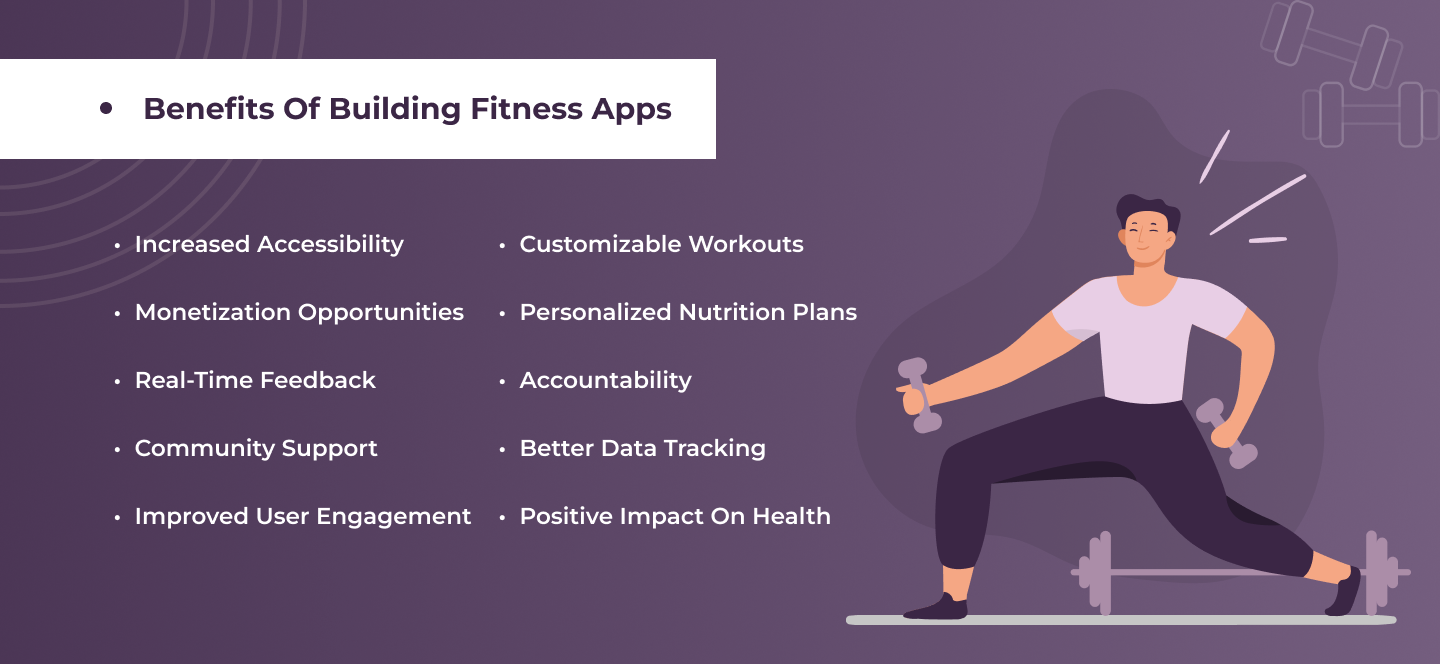
Fitness apps are becoming increasingly popular, and for good reason. There are many benefits to building fitness apps, both for developers and for users. Let’s discuss the top benefits of building fitness apps:
● Increased Accessibility:
One of the primary benefits of building fitness apps is that they make fitness more accessible to a wider range of people. Fitness apps can be used by anyone with a smartphone or tablet, and they can be used anywhere, at any time. This makes it easier for people to fit exercise into their busy lives, and it can help to break down some of the barriers that prevent people from exercising regularly.
● Customizable Workouts:
Fitness apps can offer a wide range of workouts that can be customized to meet the user’s individual needs and preferences. This can include everything from the type of exercise to the duration and intensity of the workout. By offering customizable workouts, fitness apps can help users to achieve their fitness goals more efficiently and effectively.
● Personalized Nutrition Plans:
In addition to customizable workouts, fitness apps can also offer personalized nutrition plans. These plans can be tailored to the user’s specific dietary needs and preferences, and they can help to ensure that users are getting the nutrients they need to fuel their workouts and achieve their fitness goals.
● Real-Time Feedback:
Many fitness apps offer real-time feedback on workouts and other fitness activities. This feedback can be used to track progress and identify areas for improvement. By providing immediate feedback, fitness apps can help users to stay motivated and engaged with their fitness routines.
● Accountability:
Fitness apps can also provide a sense of accountability for users. By tracking workouts and other fitness activities, users can see their progress over time and hold themselves accountable for their fitness goals. This can be especially helpful for people who struggle with motivation or who have trouble sticking to a regular exercise routine.
● Community Support:
Many fitness apps also offer community support features, such as forums, groups, and social media integration. These features can help users to connect with other people who are also working towards their fitness goals. By providing a sense of community, fitness apps can help to keep users motivated and engaged.
● Better Data Tracking:
Fitness apps can track a wide range of data, including steps taken, calories burned, and distance traveled. This data can be used to provide insights into the user’s overall fitness and can help to identify areas for improvement. By providing better data tracking, fitness apps can help users to achieve their fitness goals more efficiently.
● Improved User Engagement:
Fitness apps can be designed to be engaging and interactive, which can help to keep users coming back for more. By providing a fun and enjoyable user experience, fitness apps can help users to stay motivated and engaged with their fitness routines.
● Monetization Opportunities:
For developers, fitness apps can offer a range of monetization opportunities. This can include in-app purchases, subscriptions, and advertising. By building a successful fitness app, developers can generate a steady stream of revenue while also providing a valuable service to users.
● Positive Impact on Health:
Finally, the most important benefit of building fitness apps is the positive impact they can have on users’ health. By making fitness more accessible and engaging, fitness apps can help people to improve their overall health and wellbeing. This can include everything from reducing the risk of chronic diseases to improving mental health and wellbeing.
Additionally, fitness apps offer a range of monetization opportunities for developers, making them a smart investment for anyone looking to develop a successful app.
Features That Vary The Cost Of Building A Fitness App
The cost of building a fitness app can vary significantly depending on a range of factors. Let’s get into this section to check out the key features that can impact the cost of building a fitness app.
● Platform:
One of the biggest factors that can impact the cost of building a fitness app is the platform. Fitness apps can be developed for a wide range of platforms, including iOS, Android, and web-based platforms. Each platform has its own development requirements and costs, so it’s important to consider which platform(s) you want to develop your app for.
● Design:
The design of your fitness app can also impact the cost of development. A well-designed app can be more engaging and user-friendly, but it can also be more expensive to develop. The design should be tailored to the needs and preferences of your target audience while still being consistent with your brand identity.
● Features:
The features you want to include in your fitness app can also impact the cost of development. Some common features of fitness apps include workout tracking, progress monitoring, nutrition tracking, social sharing, and community features. The more features you want to include, the more expensive the development process is likely to be.
| Feature | Description | Priority |
|---|---|---|
| User Onboarding & Profile Setup | Age, Weight, Height, Fitness Goals, Current Fitness Level For Personalised Plans. | Essential |
| Workout Library | 500+ Exercises With Video Demonstrations, Muscle Group Tags, Difficulty Ratings. | Essential |
| Workout Planner / Scheduler | Create and Schedule Weekly Plans, Rest Days, Progressive Overload Logic. | Essential |
| Activity & Progress Tracking | Charts For Weight Lifted, Cardio Performance, Body Measurements Over Time. | Essential |
| Nutrition Tracking | Calorie Counter, Macro Split Visualiser, Meal Logging, Water Intake Tracker. | High |
| Wearable Device Sync | Apple HealthKit, Google Fit, Fitbit, Garmin Connect Integration. | High |
| AI-Powered Recommendations | Adaptive Plans Based on Performance, Recovery, and Goal Progress. | Competitive Edge |
| Live Streaming / Video Classes | Real-Time Instructor-Led Workouts With Chat and Clap Reactions. | Medium |
| Community & Social Features | Leaderboards, friend challenges, workout sharing, group accountability | Medium |
| Push Notifications | Daily reminders, goal milestone alerts, streak motivation | Essential |
● Integration:
Another factor that can impact the cost of building a fitness app is integration with other systems or devices. For example, you may want to integrate your app with wearable fitness trackers or other health monitoring devices. This can add complexity to the development process and increase the overall cost.
● Data Management:
Fitness apps often collect and store a significant amount of data, including user profiles, workout logs, and nutrition data. Managing this data can be complex and may require additional development resources, which can increase the cost of development.
● Security:
Security is an important consideration for any app, but it’s especially important for fitness apps that collect sensitive user data. Implementing robust security measures can add to the cost of development but is essential for protecting user data and maintaining user trust.
● Testing and Maintenance:
Finally, testing and maintenance are critical components of any app development project. Testing ensures that the app is functioning correctly and is user-friendly, while ongoing maintenance ensures that the app remains up-to-date and compatible with new operating systems and devices. Both testing and maintenance require additional resources and can impact the overall cost of development.

Cost Estimates For Each Segment Of Building A Fitness App
Building a fitness app can involve several stages of development, each with its own associated costs. In this section, we will break down the cost estimates for each segment of building a fitness app.
● Planning and Research:
The first stage of building a fitness app is planning and research. This involves researching the market, defining the app’s target audience, and creating a detailed project plan. The cost for this stage can range from $5,000 to $20,000, depending on the complexity of the project and the level of research required.
● Design:
The next stage is the design of the app, which includes creating wireframes, mockups, and user interface (UI) designs. This stage can range from $10,000 to $30,000, depending on the complexity of the design and the number of screens required.
● Development:
The development stage involves coding the app and integrating the various features and functionalities. The cost for this stage can vary widely depending on the platform and the complexity of the app. For example, a basic iOS or Android app can cost between $25,000 and $50,000, while a more complex app with advanced features can cost upwards of $100,000 or more.
● Testing:
Testing is an important stage of app development that ensures the app is functioning correctly and is user-friendly. The cost for testing can range from $5,000 to $10,000, depending on the extent of testing required and the complexity of the app.
● Launch and Marketing:
Once the app is complete, it’s time to launch and market it to your target audience. This stage can include creating marketing materials, social media campaigns, and advertising. The cost for launch and marketing can range from $10,000 to $50,000, depending on the marketing strategy and the budget allocated for advertising.
● Maintenance:
Finally, it’s important to consider the ongoing maintenance costs for the app. This can include bug fixes, software updates, and server maintenance. The cost for maintenance can range from $5,000 to $10,000 per month, depending on the complexity of the app and the level of maintenance required.
The total cost of building a fitness app can range from $50,000 to $200,000 or more, depending on the complexity of the app and the level of features and functionalities required.
Types of Fitness Apps and Their 2026 Cost Ranges
| App Type | Core Scope | Timeline | Cost (2026) |
|---|---|---|---|
| Workout & Exercise Tracker | Log Exercises, Sets, Reps, Calories; Progress Charts. | 2–4 months | $15,000–$35,000 |
| Nutrition & Diet App | Meal Logging, Macro Tracking, Barcode Scanner, Recipes. | 3–5 months | $20,000–$50,000 |
| AI Personal Training App | ML-Based Workout Plans, Real-Time Form Correction Via Camera. | 5–8 months | $60,000–$120,000 |
| Yoga / Meditation App | Video Library, Guided Sessions, Breathing Timers, Community | 3–6 months | $25,000–$70,000 |
| Corporate Wellness App | Team Challenges, Step Tracking, Health Analytics For HR. | 4–7 months | $40,000–$100,000 |
| Wearable-Connected App | Apple Watch / Garmin / Fitbit Sync, Biometric Dashboards. | 4–8 months | $50,000–$150,000 |
Conclusion
Building a fitness app in 2023 can be a lucrative opportunity for developers and fitness professionals. However, it’s important to understand the costs involved and the features that can affect the cost. By breaking down the cost into segments and estimating the cost for each, developers can better understand the overall cost of building a fitness app.
The cost of building a fitness app in 2023 can range from $45,000 to $210,000, depending on the features included and the development team’s location. However, the benefits of developing a fitness app, such as helping users achieve their fitness goals, generating revenue, and reaching a wider audience, make it a worthwhile investment.

FAQs
Q: How much does it cost to build a fitness app in 2026?
A basic fitness tracker costs $15,000–$30,000. A comprehensive app with AI coaching, nutrition tracking, and wearable integration costs $60,000–$120,000. A full enterprise wellness platform with live streaming and team analytics costs $100,000–$150,000+.
Q: How long does fitness app development take?
A basic workout tracker takes 2–4 months. A standard fitness app with nutrition, wearable sync, and progress analytics takes 5–7 months. An AI-powered personal training app takes 7–10 months. Timeline depends heavily on the video library size and AI features.
Q: What makes a fitness app successful in 2026?
The top three success factors in 2026 are: (1) AI personalisation — generic plans are no longer sufficient; (2) Wearable integration — users expect their Apple Watch or Fitbit data to sync automatically; (3) Community features — social accountability drives 3x better retention than solo apps.
Q: Should I build a native or cross-platform fitness app?
React Native is the best choice for most fitness apps in 2026 — it delivers excellent performance on both iOS and Android at 30–40% lower cost than native. Go fully native only if you need camera-based AI form analysis, which requires deep device access.
Q: How do fitness apps make money?
Primary models: Freemium (free basic, paid premium with AI coaching), Subscription ($9.99–$29.99/month), Corporate Wellness B2B contracts, In-app workout pack purchases, and White-label licensing to gyms or health brands. Subscription is the highest-revenue model for fitness apps.
Do not Miss Our Latest Tech Insights
Stay one step ahead in the fast-moving world of AI and technology. Add us as a Preferred Source on Google and get our latest articles, guides, and industry insights delivered straight to your search feed.