+1 740 762 6496
 +91 70189 46603

What Is Education Software Development?
The education software development refers to the development of virtual tools that support teaching, learning, and academic management. From learning management system development to online testing apps and virtual classroom software, it covers everything. These tools support educators in delivering content, monitoring progress, and designing collaborative learning experiences.
The education software development spans various segments such as K-12 online education platforms, corporate training, professional certification software & language learning platforms. Each of them is designed to meet specific learning needs from foundational schooling to skill-driven workforce training.
The necessity of EdTech Software development lies in the ability to allow customized learning paths. These apps offer real-time engagement analytics and ensure accessibility through regulations, making education effective & flexible.

Our Education Software Development Services
At Auspicious Soft, we offer comprehensive education solutions ranging from mobile learning apps to enterprise-grade learning management systems. Our services are designed for diverse needs from K12 institutes to corporate learning programs. Our team ensures the end product matches the industry standards, like SCORM & xAPI.
We deliver scalable education solutions—from mobile learning apps to advanced LMS—built for K-12 and corporate training, ensuring compliance with standards like SCORM and xAPI.
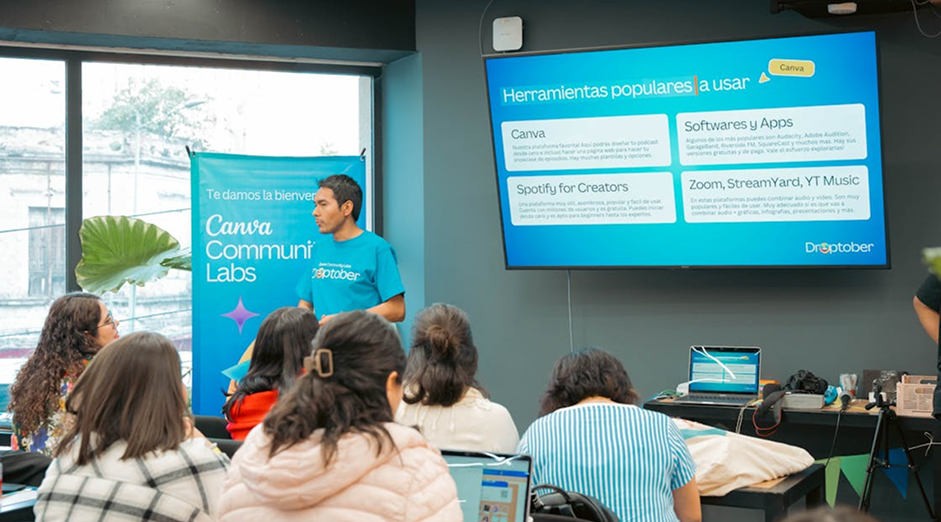
Education App Development Services
In education app development services, we prioritize developing user-friendly, interactive, & scalable e-learning mobile apps. Our team designs education apps for both institutes and enterprises. Our team designs apps with powerful technologies such as Flutter and React Native.
Features:
- Apps are leveraged with interactive features- video lessons, quizzes, etc.
- Develop Android and iOS apps for broader accessibility.
- Choose offline learning support.
- Allow monitoring with badges & performance insights.
- Use case- language learning, corporate training, tutoring apps.
Education Web Development Services
Auspicious Soft team develops web development solutions, including a scalable online learning portal, course marketplaces & education web development. Our platforms are designed for accessibility & performance. We leverage WCAG 2.1 compliance to deliver a seamless digital educational experience.
Features:
- Web-based digital learning portals.
- Websites are completely accessible & aligned with WCAG 2.1 standards.
- Best for schools, universities, & e-learning firms.
- Apps can be integrated with Google Meet, MS Teams, and Zoom.
- Next.js & React are used in quality development.
Education Software Development Services
We also develop educational software that involves designing advanced & scalable learning management software designed for enterprise and institutional needs. From Custom LMS development to corporate learning platforms, our team ensures flexibility, compliance, and integration with advanced e-learning standards.
Features:
- Design a personalized LMS for structured learning delivery.
- xAPI and SCORM compatibility for standard content delivery.
- Corporate learning experience platforms.
- SIS for academic management
- Assessment & examination platform with analytics.
Tech Stack We Use for Education Software
We use modern, scalable, and AI-ready technologies to build secure education software tailored for long-term growth. Our tech stack is carefully chosen to ensure high performance, seamless user experience, compliance readiness, and future scalability for every project.
Frontend
We build engaging, accessible learning interfaces using React, Next.js, Vue.js, React Native, and Flutter, delivering interactive, WCAG-compliant experiences for students, educators, and administrators.
React
Next.js
Vue.js
React Native
Flutter
Video / Streaming
We power virtual classrooms using WebRTC, Agora, Twilio Video, and Mux, enabling live sessions, screen sharing, and reliable video streaming for interactive online learning.
WebRTC
Agora
Twilio Video
Mux
Backend
Our engineers build scalable education backends using Node.js, Python, Django, and FastAPI, powering course delivery, role-based dashboards, and reliable performance for growing user bases.
Node.js
Python (Django)
FastAPI
Database
We manage learning data using PostgreSQL, MongoDB, and Redis, ensuring secure storage of student records, fast content delivery, and reliable performance across your platform.
PostgreSQL
MongoDB
Redis
LMS Standards
We build standards-compliant eLearning using SCORM 1.2, SCORM 2004, xAPI, and AICC, ensuring your content tracks progress and works seamlessly across any LMS.
SCORM 1.2
SCORM 2004
xAPI (Tin Can)
AICC
Integrations
We connect education platforms using Zoom, Canvas LMS API, Google Classroom, and Stripe, enabling live classes, LMS syncing, and secure payments in one ecosystem.
Zoom API
Canvas LMS API
Google Classroom
Stripe
AI / ML
We embed AI using recommendation engines, NLP-based assessments, and AI proctoring, delivering personalized learning paths, automated grading, and secure online exams for every learner.
Recommendation Engines
NLP for Assessments
AI-based Proctoring
Cloud
We deploy scalable education platforms on AWS and Microsoft Azure, ensuring high availability, secure data storage, and reliable performance during peak enrollment and exam periods.
AWS
Microsoft Azure
Education Software Development Cost in the USA
The development cost of education software in the USA varies based on features, complexity, compliance, and integration requirements. From basic eLearning apps to advanced university portals, pricing differs significantly depending on the scale and functionality.
The crucial factors that influence the cost of development in the USA are content volume, assigned user roles, and necessary compliance standards. It also depends on 3rd party integrations like payment gateways, virtual classroom tools. If you are looking for a developing education platform, request a free estimate. Talk with our team for a detailed cost breakdown according to your needs.
| Solution Type | Estimated Cost | Timeline |
|---|---|---|
| Basic E-Learning App | $15,000 – $35,000 | 2 – 4 Months |
| Custom LMS Platform | $40,000 – $100,000 | 4 – 8 Months |
| Enterprise University Portal | $80,000 – $200,000+ | 8 – 14 Months |
| Corporate Training LXP | $50,000 – $120,000 | 5 – 8 Months |
| K-12 Gamified Learning App | $25,000 – $60,000 | 3 – 5 months |
Our 6-Step Education Software Development Process
At Auspicious Soft, our team follows a structured process that keeps clients involved and informed about each step. We’ll support you from initial discovery to launch. Our approach to development ensures alignment with learning goals, scalability, and user expectations. Here is our approach towards developing an online learning management system-

Learning Outcomes Discovery
We start the journey by identifying learning goals that are aligned with the firm's vision. Our developers analyze who your targeted audience is, their skill sets, age, and learning preferences while defining content delivery formats & assessment strategies. This phase is necessary to ensure the end product is result-driven. At the end of this phase, we conclude a detailed brief of design and technical proficiency to guide scalable education software development.

Curriculum-Informed UX Design
For designing UX, we follow principles of cognitive load optimization and repetition. Our team maps end-to-end students’ journeys to design engaging & interactive experiences for administrators, learners, & educators. During this step, we take care of accessibility & compliance to ensure inclusivity. The following step ensures the virtual education software delivers seamless navigation, enhanced learning outcomes, & engagement.

Development & Standards Integration
In the next phase, we design scalable, robust platforms using advanced technologies while integrating industry standards. The development phase involves designing video streaming, role-based dashboards, & an online quiz for every user role. LTI integration allows seamless 3rd party connectivity, ensuring the LMS supports dynamic content & an interactive learning experience.

Compliance & Accessibility
Our team ensures the education software matches the necessary legal & accessibility standards required in education. It involves FERPA compliance for data safety, WCAG compliance for accessibility checks, ADA for inclusivity, and COPPA guidelines. Our skilled team keeps itself aware of all these updated guidelines. These practices support building secure, accessible, and regulatory-driven software for diverse learners.

Launch & Content Migration
In this phase, our team is ready to migrate your current learning materials into the new system seamlessly. Our team also manages LMS data migration & verifies a smooth onboarding for administrators and educators. We also perform pilot testing by building a small user group for identifying gaps and areas for improvement before deploying. This phase allows the release of a successful virtual learning platform.

Analytics & Continuous Improvement
Once our software is deployed, our team will incorporate an advanced analytics dashboard to measure engagement, performance, and course completion rate. Gathering metrics from data supports content refining and enhances learning outcomes. We perform A/B testing to optimize course formats and frequent feature upgrades. Our apps are integrated with AI-powered recommendations that simplify the learning journey and deliver immense value.

Compliance for Education Software
Regulatory compliance in education software goes beyond basic legal requirements, focusing on how effectively platforms handle learner data, accessibility, and security. Modern education solutions must follow compliance-driven frameworks to ensure proper data collection, storage, and processing. Standards like FERPA and COPPA guide how sensitive information is managed, while strong encryption and audit trails enhance platform security. Equally important is inclusivity in the digital learning environment. At Auspicious Soft, we build solutions aligned with WCAG 2.1 AA and ADA standards, ensuring accessibility for all learners, including those with cognitive challenges. Our platforms feature adaptive interfaces, intuitive navigation, and secure integrations, delivering scalable, transparent, and future-ready EdTech solutions.

FERPA Compliance

COPPA Compliance

GDPR & GDPR-K Compliance

Section 508 Compliance

VPAT Documentation

CCPA/COPPA Compliance

Student Privacy Pledge

LTI 1.3 Standards
Our Case Studies
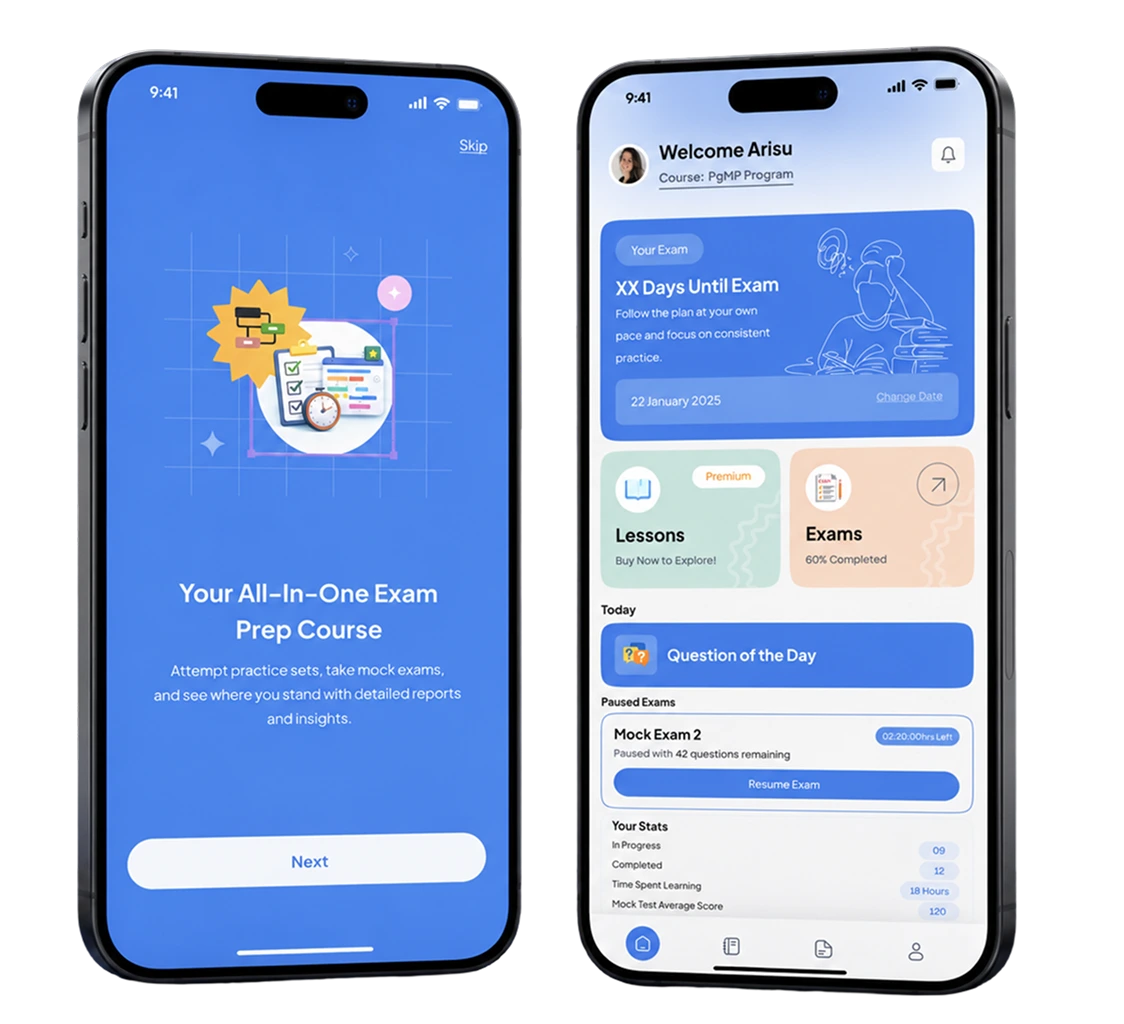
vCare Project Management — PMI Exam Prep
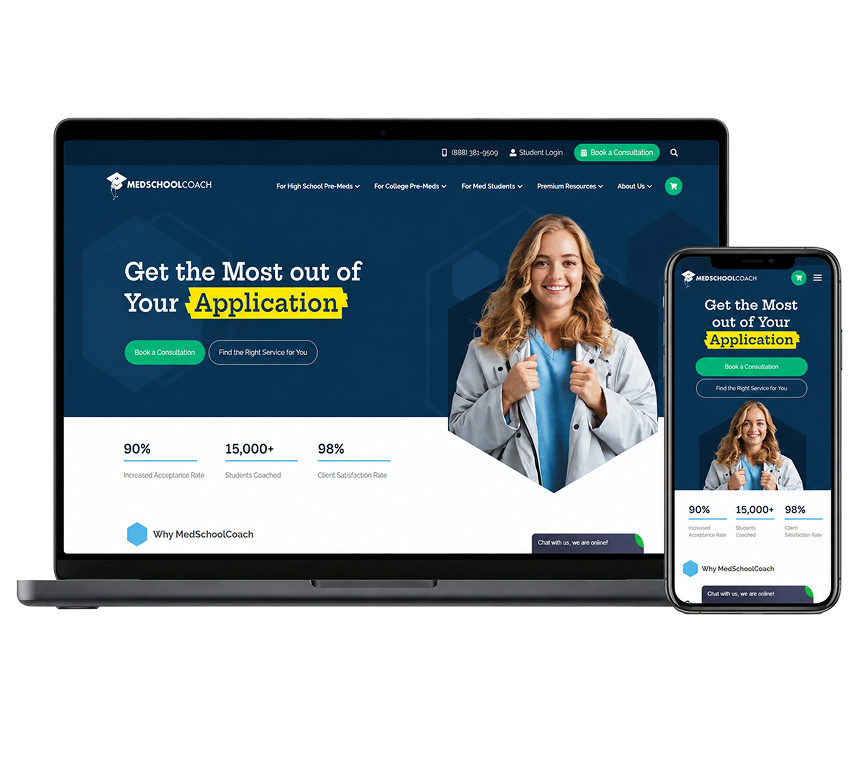
MedSchoolCoach: Web Platform & MCAT Prep App

FERPA & COPPA-Ready Architecture
Our platforms are designed with built-in compliance based on FERPA and COPPA. These compliances make the product ideal for managing sensitive, crucial data. Our team implements data minimization practices, safe data flows, and brief audit logs to monitor data usage. The compliance-first architecture verifies the education software matches legal standards while managing trust, scalability, and transparency.

SCORM & xAPI Expertise
The Auspicious Soft team integrates xAPI and SCORM standards to verify that the learning content is monitored and compatible across various platforms. With seamless LRS integration, our team allows advanced tracking of learning behavior beyond traditional LMS limits. Our practices ensure the LMS supports flexible content delivery and brief performance insights.

US Timezone Availability
We have a skilled team aligned with US business hours, ensuring smooth communication and faster turnaround time for clients. When you reach out to us, you’ll get direct accessibility to skilled developers, limited delays, and misunderstandings. The real-time collaboration model enhances project efficiency and transparency. With us, you can successfully manage online learning platforms without communication challenges.

Fixed-Price Option
By choosing us, businesses can explore the fixed-engagement models to offer full budget clarity. Our cost-effective models are beneficial for startup EdTech initiatives. We ensure quality delivery and eliminate cost breakdowns within a defined timeframe. Our structured pricing model allows you to plan confidently while building scalable & reliable solutions according to your demands.
Why Choose Auspicious Soft for Education Software?
Auspicious Soft, the leading education software development company, builds a strong foundation to make learning accessible & easy for everyone. Every UX design is driven by cognitive load reduction, engagement patterns, & valuable gamification, which drive retention without overwhelming users. Our team designs intuitive, scalable online education platforms that balance usability & performance. The learning management systems delivered by us deliver an impactful learning experience to all age groups.

FAQ About Education Software Development
How much does it cost to develop a learning management system (LMS)?
The development cost of LMS costs between $40,000 to $200,000+. If you want to develop a basic software, it costs less, whereas the development of full LMS software involves advanced features such as analytics and integrations. The education software for an enterprise university requires higher investment due to compliance and personalization. Other key factors that might hamper your cost are user roles, challenges involved, and integrations.
What are the essential features for an online education platform?
The effective virtual education platform involves video hosting, a course builder, progress tracking, and quizzes. The additional features for virtual learning platforms are certifications, discussion forms, live sessions, and mobile accessibility. Integrating these features drives engagement. The following elements ensure an immersive learning experience and allow users to track education content efficiently across devices.
How long does it take to build a custom e-learning platform?
To develop a custom e-learning platform mostly takes 3 to 14 months. The basic platforms loaded with simple features can take less time for development. However, the complicated system requires more time. The key factors that influence the timeline are the amount of content, the number of user roles, required integrations, & compliance.
What's the difference between LMS, LCMS, and virtual classroom software?
The LMS software is focused on serving & monitoring learning activities. The LCMS software is designed for managing learning content. The virtual classroom software allows real-time live sessions between learners & instructors. Each software is designed for a different purpose- LMS for management, LCMS for content development, and VCS for an interactive learning experience.
Can you integrate video conferencing tools like Zoom into education platforms?
Our team can successfully integrate video conferencing tools. These tools can be anything, for example, Zoom, Google Meet, for live classes. The integration allows real-time communication, session recording, and screen sharing. Our apps are leveraged with quality features to offer a smooth learning experience.
How do you ensure FERPA and COPPA compliance in educational software?
Adhering to all the compliance is our priority, and that’s why our team follows secure storage, data minimization, and strong access controls. Our team also follows encryption, data processing agreements, and auditing to strengthen compliance. We also follow COPPA demands parental consent for kids, FERPA for maintaining data privacy, and sharing. Following these practices validates that the software meets legal & security standards.
Can education software support multiple user roles (students, teachers, admins, parents)?
The education software we develop seamlessly supports multiple user roles since we follow RBA practices. We assign roles for students, teachers, and admins to access the specific section of the dashboard. It allows secure data access, a customized experience, and effective management. Our team also enhances collaboration & transparency within the learning ecosystem across various user groups.
How do you build adaptive learning features using AI and machine learning?
To develop adaptive learning features, our team uses ML models for tracking student performance and behavior. By following the insights, the software recommends content and resources and streamlines the learning path. We have proficiency in AI chatbots along with predictive analytics. These tools drive engagement and learning outcomes through advanced educational experiences.
What technologies are best for building interactive learning experiences?
To serve an interactive learning experience, the Auspicious Soft team uses innovative technologies. We have excelled in React Native, AI/ML frameworks, & WebRTC. We also leverage features such as gamification, chatbot development, & quizzes. The backend systems ensure scalability, whereas APIs allow integration. Combining all these technologies together helps to build a responsive and dynamic learning environment.
Can you develop both web and mobile educational applications?
The education software we develop is for both web and mobile platforms. Web apps deliver higher accessibility, and mobile apps deliver flexibility. Using cross-platform frameworks allows consistent performance, faster development, and seamless user experience across devices & OS.