TABLE OF CONTENT
- Why Horoscope Apps Are Booming in 2026?
- Quick Comparison Table (All Apps)
- Top Horoscope Apps – Detailed Reviews
- Co-Star vs The Pattern vs Nebula — Head-to-Head
- Verdict
- Which App Is Made for Whom?
- How to Build a Horoscope App (step-by-step)
- Must-Have Features with Priority Tiers
- Tech Stack Breakdown
- Development Cost & Timeline (2026)
- Factors Impacting the Cost of the Astrology App
- Monetization Strategies
- FAQs
Overview
- The global horoscope and astrology app market is projected to reach $372 million by 2033, driven by AI-powered personalization and rising smartphone usage.
- Top apps reviewed include Co-Star, Nebula, The Pattern, AstroSage, CHANI, AstroYogi, TimePassages, and more — covering Western, Vedic, and AI-driven astrology formats.
- Co-Star uses NASA data for real-time birth chart insights; Nebula combines tarot, compatibility, and AI readings; AstroSage focuses on Vedic astrology with Kundli generation.
- To build a horoscope app, key steps include defining a niche, designing an MVP, choosing a tech stack (Flutter/React Native + Node.js), integrating AI (GPT-4), and launching with a monetization strategy.
- Development costs range from $10,000 (MVP) to $70,000+ (full-scale AI app), with timelines of 2–6 months depending on feature complexity.
- Monetization options include freemium models, subscriptions ($4.99–$19.99/month), pay-per-session live astrologer chats, in-app purchases, and affiliate marketplaces.
Whether it’s a quick daily prediction or a personalized chart, relationship compatibility insights, astrology apps are getting popular across the globe. This is why finding the best horoscope apps 2026 matters more than ever!
The demand for digital mobile app development services continues to grow. The recent reports said that the worldwide horoscope and astrology market is expected to reach $372 million by 2033. These statistics showcase that astrology practices aren’t getting outdated but expanding fast digitally, thanks to AI-powered advanced tools.
With a broad choice of horoscope apps, users can choose and decide which platform delivers the best experience. Some people prioritize detailed natal charts, whereas others prefer apps with live astrologer consultations and tarot readings.
This custom mobile app development services guide highlights the top horoscope apps worth exploring in 2026. We will discuss the features & strategies required to build a successful astrology app in 2026.
Why Horoscope Apps Are Booming in 2026?
The astrology app market in 2026 has evolved into a thriving virtual industry with strong growth potential. Based on the data insights report, the astrology app market was estimated to be $153 million in 2025 with a CAGR of 11.3%. The following reports showcase the rising user demand for personalized wellness and self-discovery experiences through their phones.
The reason behind this growth is the popularity of astrology among younger audiences. More than 60% of astrology apps are used by women aged 18 to 34. However, millennials & Gen Z are the primary drivers, since they are also showing their interest in these apps. As smartphone usage frequently rises, users are choosing daily horoscope apps. They use apps for smart insights, relationship assistance, and recommendations that fit seamlessly into everyday routines.
Currently, users expect more than generic Zodiac predictions, which completely rely on their sun signs. Instead, they prefer an AI horoscope app that delivers tailored readings based on the birth time, date, locations, and behavioral patterns. The best astrology app development come with accurate, fast & clear insights. From compatibility readings to quick notifications, you can have your digital astrologers in your pocket. The shift towards personalized horoscopes creates emotional engagement and encourages long-term app retention.
Key growth drivers involve:
- Rising consumer interest in wellness & self-discovery
- Rising adoption of smartphones and daily mobile engagement
- Demand for detailed birth charts over generic zodiac readings
- AI-driven customization & predictive metrics
- Monetized Subscription-based models
The following trends highlight why customized mobile app development services are becoming the most viral digital products in 2026.

Your Competitors Are Already Online.Mobile App · Web · Software Development — Don't Get Left Behind.
Quick Comparison Table (All Apps)
As more and more astrology platforms are competing for attention, selecting a quality app is necessary. Few Android app development services focus on AI-generated insights. However, some apps are powered by Vedic astrology, live consultations with experts, compatibility ranking, and birth charts. The choice is yours! It depends on what you exactly need- daily guidance, customized forecasts, in-depth astrology analysis, or relationship advice.
To ease your task, here we have represented the quick comparison table that we have compiled by taking the most popular horoscope apps available in 2026. This comparison highlights rating, pricing models, and best use for, to help find the right fit for your needs. Check the side-by-side differentiation of the best horoscope apps in 2026.
| App Name | US App Store Rating | Android Rating | Free / Paid | Best For |
|---|---|---|---|---|
| Co–Star | ★4.8 | ★4.7 | Freemium | Gen Z astrology |
| Nebula | ★4.8 | ★4.3 | Freemium | AI-powered readings |
| The Pattern | ★3.8 | ★3.8 | Freemium | Personality insights |
| AstroSage | ★4.5 | ★4.4 | Freemium | Vedic astrology |
| AstroYogi | ★4.6 | ★4.4 | Freemium | Live astrologer consultations |
| TimePassages | ★4.8 | ★4.4 | Freemium | Birth chart depth |
| Sanctuary | ★4.7 | ★4.3 | Freemium | Real astrologer guidance |
| CHANI | ★4.9 | ★4.8 | Paid $11.99/mo | Modern astrology education |
| Kundli by Astrobix | ★4.4 | ★4.3 | Free | Kundli generation |
| Zodiac Touch | ★4.5 | ★4.2 | Freemium | Daily horoscope content |
| Astro Future | ★4.8 | ★4.6 | Freemium | Advanced chart analysis |
| Moira | ★4.6 | ★4.4 | Freemium | AI astrology insights |
| Daily Horoscope Life | ★4.7 | ★4.6 | Free | Daily horoscope updates |
| Astrology Zone | ★4.8 | ★4.5 | Freemium | Monthly forecasts |
Top Horoscope Apps – Detailed Reviews
1. Co-Star
The Co-Star astrology app is getting viral and is most used by the young generation thanks to its user-friendly, attractive design and customized metrics. It uses NASA data with AI to generate detailed real-time astrological interpretations depending on the birth chart of individuals. Users will get customized updates that reflect planetary transits.
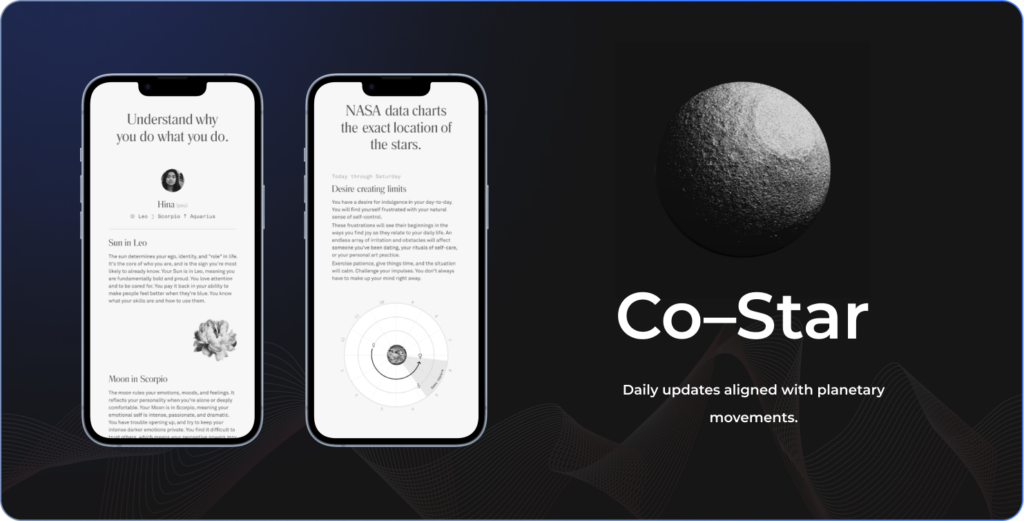
Key Features:
- Personalized natal chart analysis
- Frequent astrology updates
- Generate compatibility reports
- Real-time planetary monitoring
Pricing: Freemium
US App Store Rating: 4.8
Best For: Young users seeking an advanced astrology experience.
Pros:
- Ease of use, attractive interface
- Strong social features
- Customized insights on a daily basis
Cons:
- Sometimes reading can seem cryptic
- Limited resources
Google Play Store: https://play.google.com/store/apps/details?id=com.costarastrology&hl=en
App Store: https://apps.apple.com/us/app/co-star-personalized-astrology/id1264782561
2. Nebula
The Nebula horoscope app offers all kinds of services like tarot reading, compatibility reports, in a single platform. Its AI-driven suggestions allow it to deliver personalized experiences compared to many traditional apps. This app strongly focuses on relationships, & that’s why it’s a favorite app for couples & singles. Since it has the best UI & intuitive design, Nebula has gained a strong user base across iOS and Android.
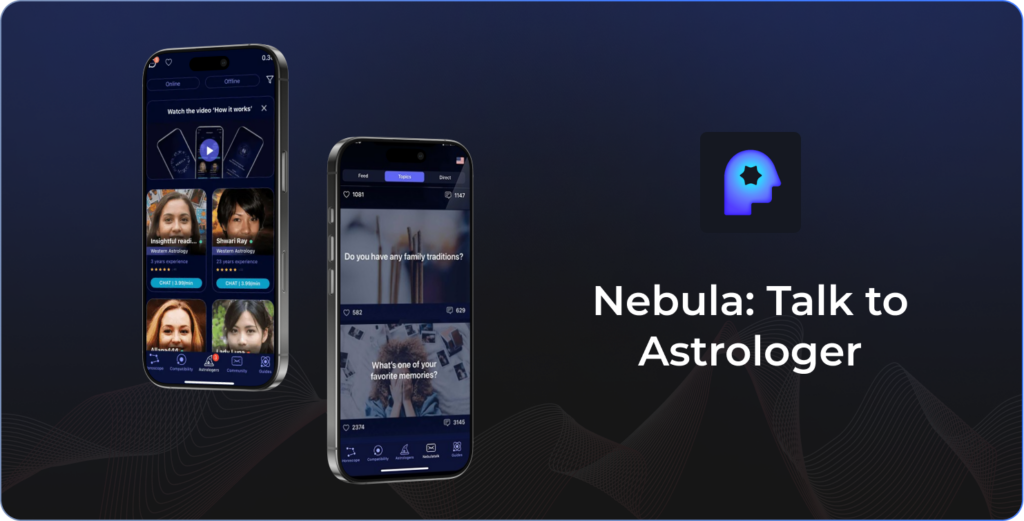
Key Features:
- Customized horoscope forecasts
- Tarot readings
- Reports on relationship compatibility
- Birth chart interpretation
Pricing: Freemium
US App Store Rating: 4.8
Best For: Audience seeking an all-in-one spiritual guide.
Pros:
- Strong customization
- Interactive and easy interface
- Multiple divination tools
Cons:
- Frequent premium upsells
- Content overlap across reports
Google Play Store: https://play.google.com/store/apps/details?id=genesis.nebula&hl=en_IN
App Store: https://apps.apple.com/us/app/nebula-spiritual-guidance/id1459969523
3. The Pattern
The pattern horoscope app prioritizes less on Zodiac signs and more on personality patterns. This app is famous for getting detailed psychological insights. It breaks down your behavior and personality using smart algorithms. Overall, it’s a unique blend of a zodiac app & wellness tech.
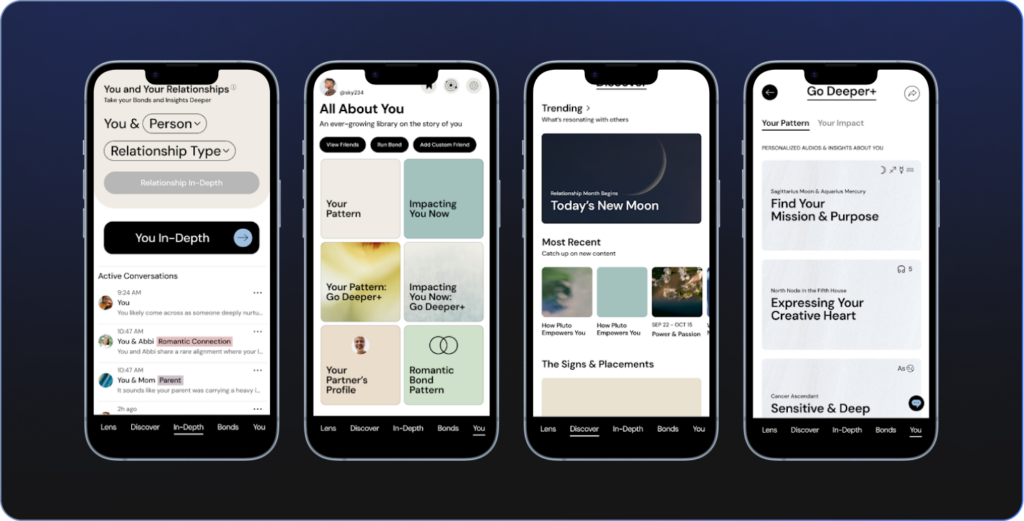
Key Features:
- Analyzing personality
- Relationship compatibility
- Monitoring lifecycle
- Customized forecasts
Pricing: Freemium
US App Store Rating: 3.8
Best For: Get guidance for self-discovery and growth.
Pros:
- Brief psychological perspective
- Unique content
- Strong compatibility features
Cons:
- Lack of traditional astrology
- Text-heavy experience
Google Play Store:
App Store:
4. Sanctuary
The Sanctuary horoscope app is a combination of automated astrology with accessibility to professional astrologers. It delivers a combination of human expertise with tech-driven predictions. It’s a free, daily horoscope app that offers real-time tarot reading tailored for millennials and Gen Z. Users who seek fun in modern astrology can try this.

Key Features:
- Daily horoscope readings
- Birth chart reports
- Astrology lessons
- Live astrologer charts
Pricing: Freemium
US App Store Rating: 4.7
Best For: People looking for expert guidance on live chats.
Pros:
- Real astrologer accessibility
- Ease explanations
- Interactive user experience
Cons:
- Paid consultation is provided
- Limited free accessibility
Google Play Store: https://play.google.com/store/apps/details?id=com.sanctuaryworld.sanctuaryandroid&hl=en_IN
App Store: https://apps.apple.com/us/app/sanctuary-psychic-reading/id1417411962
5. CHANI
The CHANI horoscope app is an education-based, thoughtful astrology app. It supports users to understand planetary changes while encouraging self-reflection and mindfulness. This app offers features like meditations, start chart calculator, weekly workshops, etc. This app is great for users who want empowerment & healing.
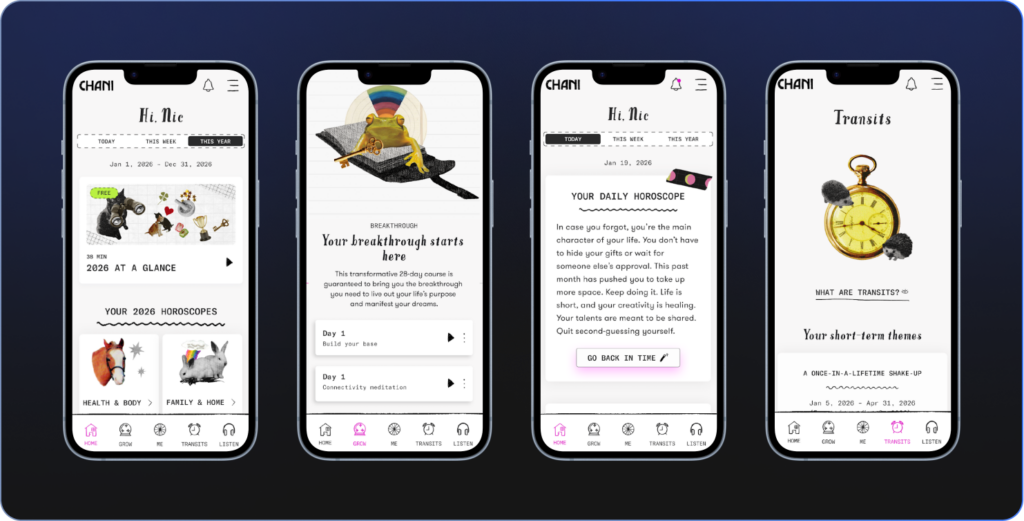
Key Features:
- Customized reading
- Audio-based reflections
- Transit explanations
- Astrology education
Pricing: Paid ($11.99/month)
US App Store Rating: 4.9
Best For: Good choice for wellness-focused users and astrology learners.
Pros:
- Quality educational content
- Comprehensive approach
- Detailed transit analysis
Cons:
- Subscriptions are required for premium access
- Limited features
Google Play Store: https://play.google.com/store/apps/details?id=com.chani_nicholas_inc.chani&hl=en_IN
App Store: https://apps.apple.com/us/app/chani-your-astrology-guide/id1532791252
6. AstroSage
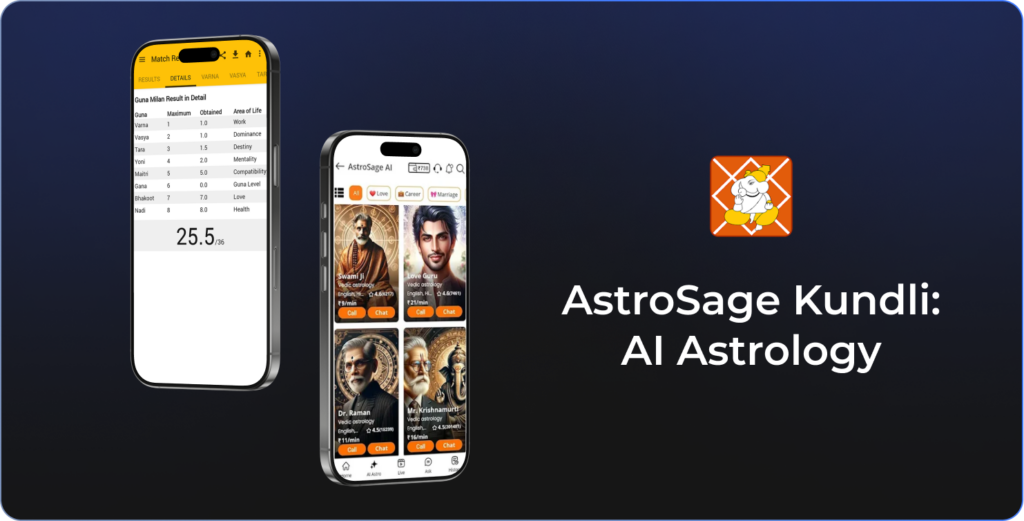
The AstroSage horoscope app is a popular Vedic astrology platform. Here you can prepare your Kundli and planetary analysis. This platform has various advanced astrological tools tailored to Vedic astrology traditions. The app supports various languages and accurate predictions.
Key Features:
- Kundli creation
- Regular Vedic horoscope
- Panchang access
- Matchmaking reports
Pricing: Freemium
US App Store Rating: 4.5
Best For: Users prioritizing traditional astrology.
Pros:
- Wide astrology tools
- Brief insights
- Strong Vedic focus
Cons:
- Complicated interface
- Overwhelm beginners
Google Play Store: https://play.google.com/store/apps/details?id=com.ojassoft.astrosage&hl
App Store: https://apps.apple.com/us/app/astrosage-kundli-ai-astrology/id824705526
7. AstroYogi
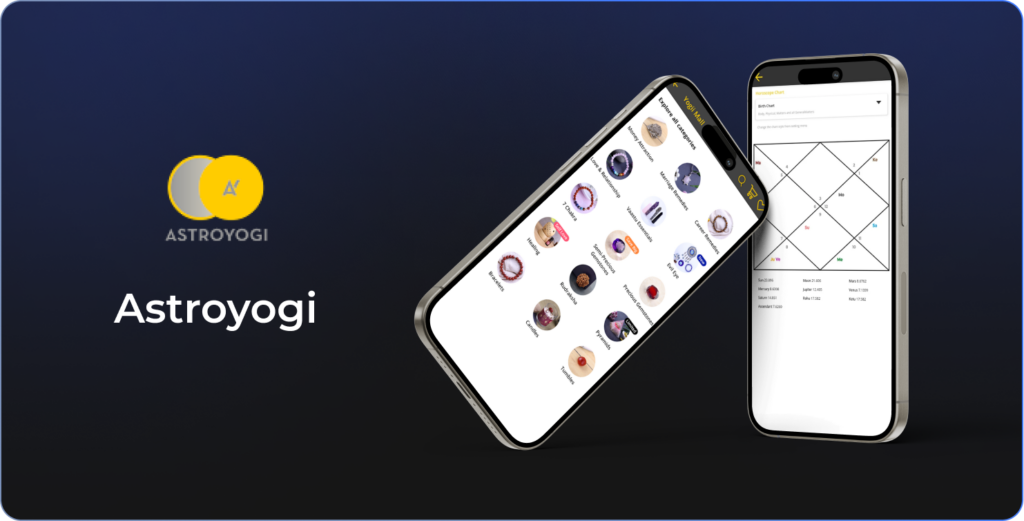
The AstroYogi horoscope app offers facilities such as live chat support by experts. Users can obtain personalized suggestions on lifestyle and career decisions. The app attracts users who want verified human interactions over AI. Users can get predictions from this app regarding their finances, career, health, & relationship.
Key Features:
- Live astrology consultation
- Daily horoscope
- Tarot reading
- Customized astrology reports
Pricing: Freemium
US App Store Rating: 4.6
Best For: Get customized guidance on astrology.
Pros:
- An array of astrologers
- Ease booking systems
- Various spiritual services
Cons:
- Consultation costs might be high
- Quality depends on the advisor
Google Play Store: https://play.google.com/store/apps/details?id=com.netway.phone.advice&hl
App Store: https://apps.apple.com/us/app/astroyogi-astrology-kundli/id1475620580
8. TimePassages
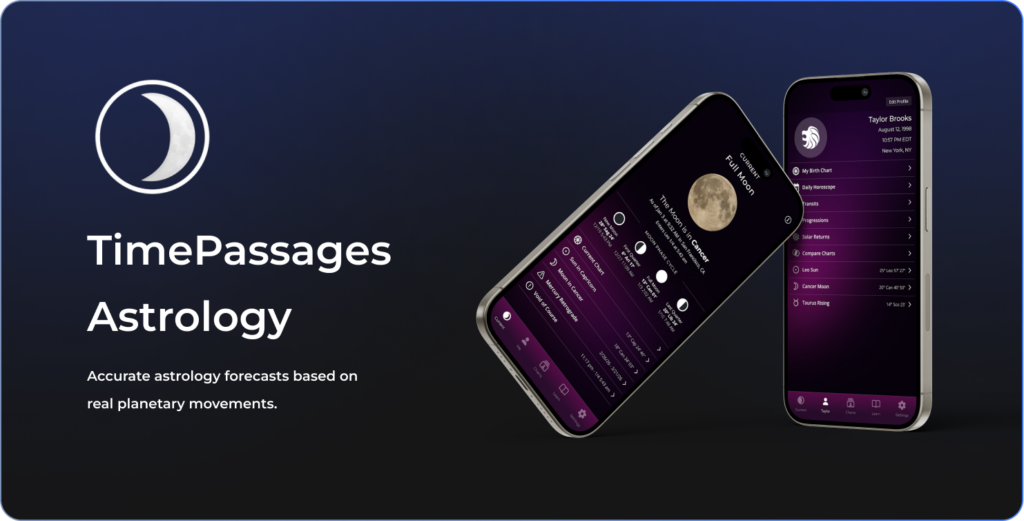
The TimePassages horoscope app is renowned among young astrology enthusiasts. It offers advanced chart interpretation & detailed astrological explanations. The predictions are mostly inspired by Western astrology. This application is good for beginners who want to understand astrology in basic ways.
Key Features:
- Analyze natal charts
- Transit monitoring
- Compatibility reports
- Astrology learning tools
Pricing: Freemium
US App Store Rating: 4.8
Best For: Modern astrology enthusiasts.
Pros:
- Monitor brief chart
- Educational content
- Professional-grade insights
Cons:
- Minimal learning curve
- The interface seems outdated
Google Play Store: https://play.google.com/store/apps/details?id=com.astrograph.timepassages
App Store: https://apps.apple.com/us/app/timepassages-astrology/id488946918
9. Kundli by Astrobix
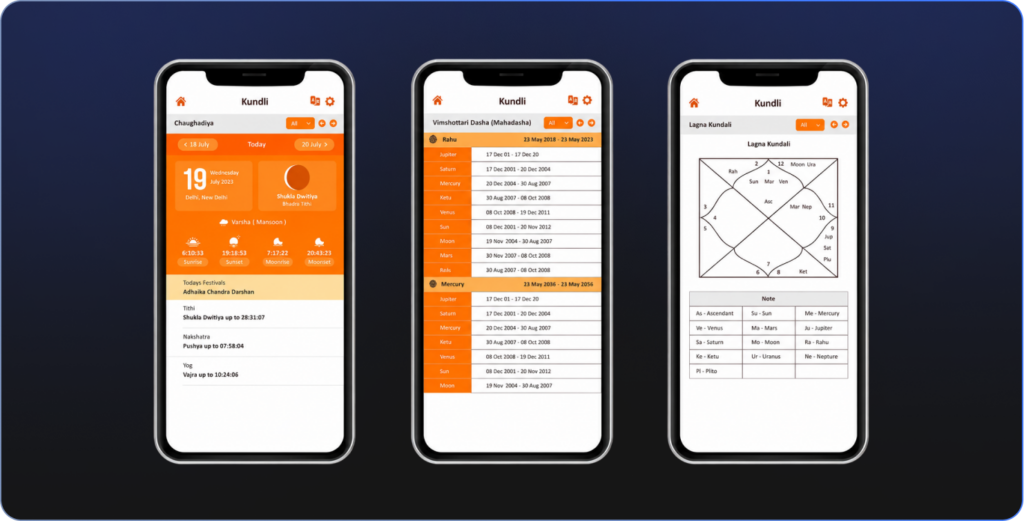
The Kundli by Astrobix horoscope app prioritizes generating accurate Vedic birth charts. It delivers valuable tools for audiences interested in traditional Indian astrology. Here you can get personalized predictions with necessary recommendations to build a better life.
Key Features:
- Kundli generation
- Daily predictions
- Analyze kundli doshas
- Compatibility check
Pricing: Free
US App Store Rating: 4.4
Best For: Obtain reports on the birth chart and the Kundli.
Pros:
- Free accessibility to core tools
- Brief reports
- Strong Vedic astrology features
Cons:
- Limited design
- Lack of features
Google Play Store: https://play.google.com/store/apps/details?id=com.astrobix.kundli&hl
10. Zodiac Touch
The Zodiac Touch horoscope app delivers straightforward horoscope content and compatibility reports. Its simple interface and navigation make it good for newbies. This app offers spiritual coaching sessions and customized readings with psychic services. Here you can get emotional guidance with clarity.
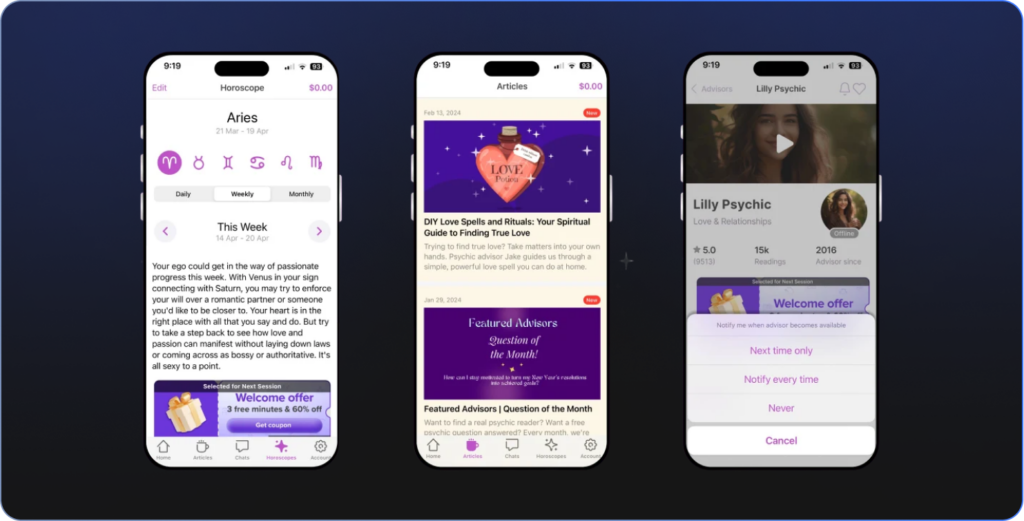
Key Features:
- Daily horoscope
- Compatibility check
- Archive horoscopes
- Zodiac profile
Pricing: Freemium
US App Store Rating: 4.5
Best For: Basic horoscope reading.
Pros:
- Simple to access
- Quick updates
- Ease navigation
Cons:
- Lacks in features
- Lack of personalization
Google Play Store: https://play.google.com/store/apps/details?id=com.zodiactouch
App Store: https://apps.apple.com/us/app/zodiac-psychics-tarot-reading/id1004615216
11. Astro Future
The Astro Future horoscope app offers visually appealing chart tools with brief astrological calculations. It has beginner-friendly features with modern analysis. The app offers detailed kundli matchmaking, gemstone suggestions, and Vedic principles. Its AI-driven feature makes the overall experience the best.
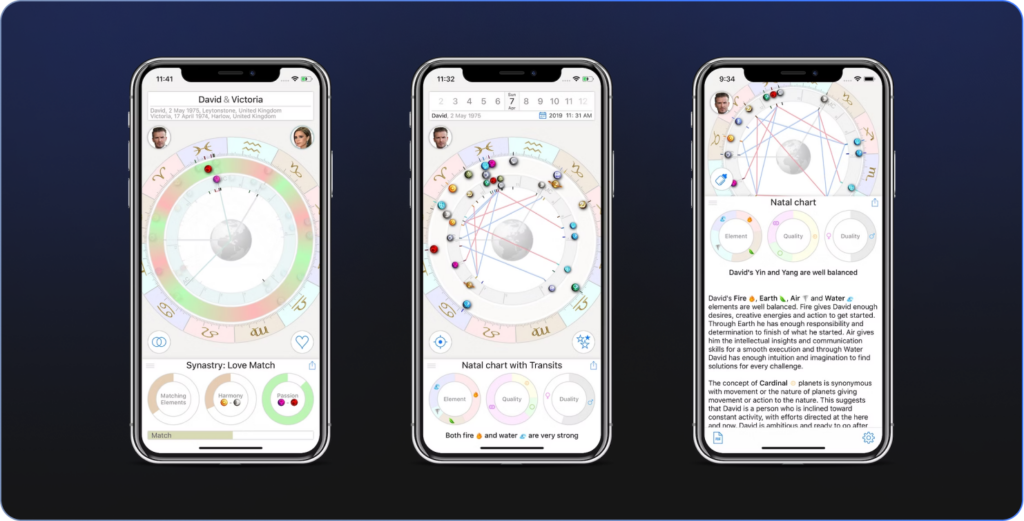
Key Features:
- Interactive birth charts
- Transit forecasting
- Astrology calendar
- Compatibility reports
Pricing: Freemium
US App Store Rating: 4.8
Best For: Users seek detailed chart analysis.
Pros:
- Interactive chart visuals
- Comprehensive astrology tools
- Strong customization
Cons:
- Premium features access requires subscriptions
- A few technical skills are required
Google Play Store: https://play.google.com/store/apps/details?id=com.astrofutureai.app
App Store: https://apps.apple.com/us/app/astro-future-daily-horoscope/id1119123378
12. Moira
The Moira horoscope app uses AI to serve personalized astrology guidance. It follows a modern approach that appeals to users looking for fast and customized insights. The AI-powered astrology expert gives a unique birth chart and moon phase tracking. The blend of advanced features with traditional Vedic practices makes them lead in the ranking.
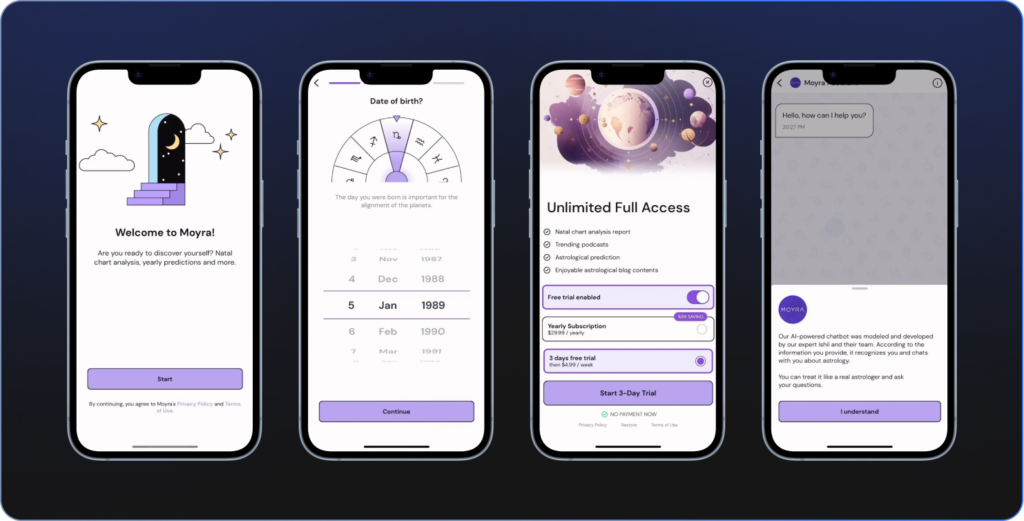
Key Features:
- Obtain AI-powered readings
- Daily updates of the horoscope
- Customized recommendations
- Analyze birth charts
Pricing: Freemium
US App Store Rating: 4.6
Best For: Users seeking to experience AI-driven astrology.
Pros:
- Advanced user experience
- Obtain personalized metrics
- Advanced technology
Cons:
- New platform
- Smaller community
Google Play Store: https://play.google.com/store/apps/details?id=com.positivise.moyra
App Store: https://apps.apple.com/in/app/moyra-astrology-guide-for-you/id1363478842
13. Daily Horoscope Life
The Daily Horoscope Life horoscope app prioritizes delivering updated readings. It is designed for users who seek quick support from astrologers without complications. The app also offers Chinese zodiac forecasts.
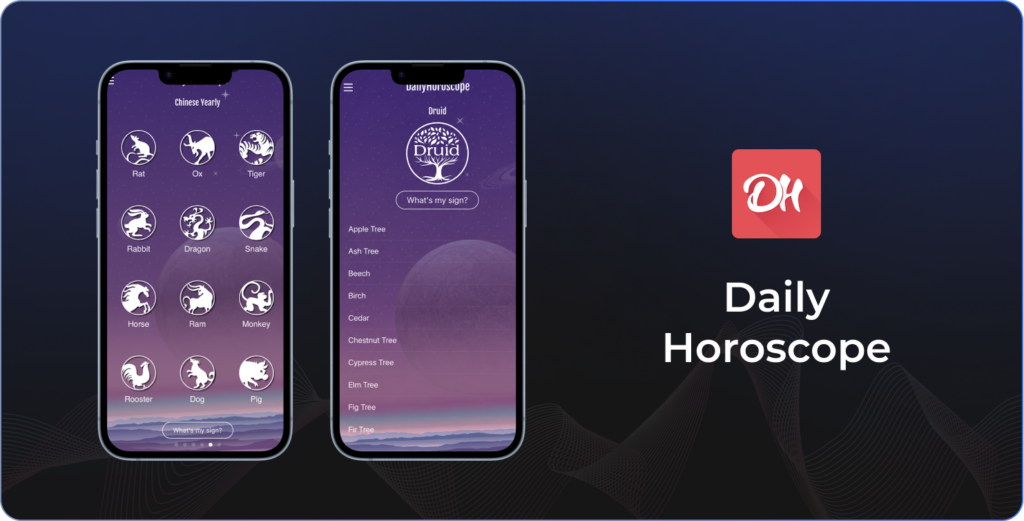
Key Features:
- Daily forecasts
- Weekly prediction
- Zodiac compatibility
- Instant notification
Pricing: Free
US App Store Rating: 4.6
Best For: Good for daily readers.
Pros:
- Ease of use
- Free of cost
- Lightweight and reliable
Cons:
- Limited birth chart analysis
- Basic customization
Google Play Store: https://play.google.com/store/apps/details?id=info.androidz.horoscope
App Store: https://apps.apple.com/us/app/the-dailyhoroscope/id363920434
14. Astrology Zone
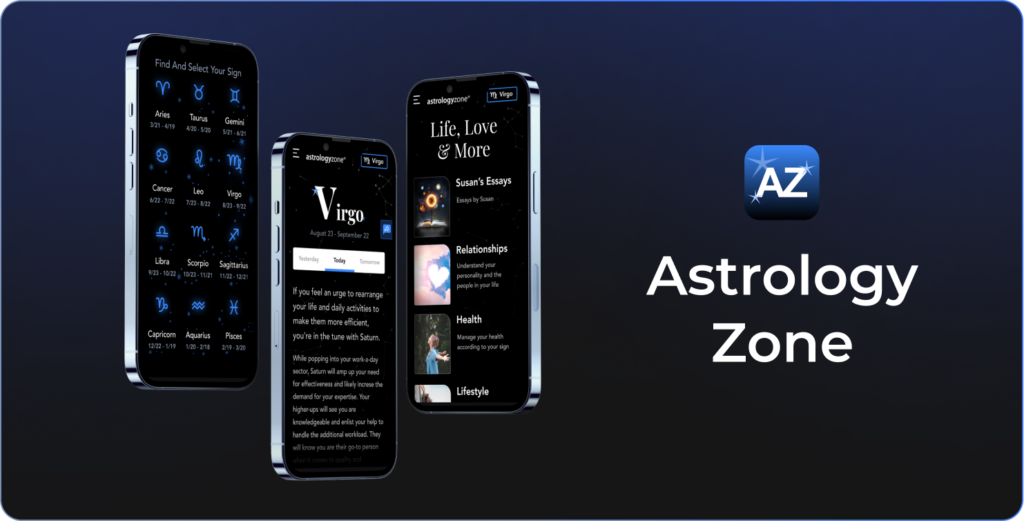
The Astrology Zone horoscope app is designed around detailed forecasts from expert astrologer Susan. This app offers monthly horoscope predictions in brief. This app offers both free and paid subscription models. Get daily insights on horoscopes and planetary movement.
Key Features:
- Monthly forecasts
- Frequent astrology updates
- Zodiac insights
- Planetary event coverage
Pricing: Freemium
US App Store Rating: 4.8
Best For: Long-term horoscope predictions.
Pros:
- Owned by trusted astrology experts
- Obtain monthly reports
- Strong reputation
Cons:
- Limited features
- Contents are not chart-focused
Google Play Store: https://play.google.com/store/apps/details?id=com.handson.h2o.az2014
App Store: https://apps.apple.com/us/app/astrology-zone-horoscopes/id527608193
Co-Star vs The Pattern vs Nebula — Head-to-Head
Among all of them, if you are trying to select between the most talked-about astrology apps, you aren’t alone. There are lots of searches made on Google regarding “Co-Star vs The Pattern” and “Nebula vs Co-Star“. Well, all the apps use birth data to generate insights, but their approaches are different. Here, take a look at the 3 best astrology app comparisons.
| Feature | Co-Star | The Pattern | Nebula |
|---|---|---|---|
| AI Type | Algorithm-driven astrology insights | Behavioral pattern analysis | AI-assisted personalized astrology |
| Birth Chart Depth | Moderate | Moderate | High |
| Social Features | Strong friend compatibility tools | Limited social interaction | Community and compatibility features |
| Relationship Tools | Friend comparisons | Deep relationship analysis | Compatibility and love readings |
| Price | Freemium | Freemium | Freemium |
| Best Platform | Social astrology experience | Personal growth and self-discovery | All-in-one astrology guidance |
| Unique Feature | NASA-powered planetary data integration | Psychology-focused personality insights | Combines astrology, tarot, and AI recommendations |
When you look for Co-Star astrology app review vs The Pattern, the biggest difference is user experience. Co-Star focuses on sharing quick astrology insights, whereas The Pattern delivers longer interpretations that sound more like personality development and growth. Similarly, when you compare Nebula Vs Co-Star, Nebula is popular for offering a range of spiritual tools like tarot reading and compatibility reports.
Verdict
We can’t say who wins the race because it all depends on what the user is exactly looking for. Co-Star is popular for social engagement and modern design, whereas The Pattern is best for compatibility analytics and self-realization. Nebula is renowned for delivering complete astrology resources with multiple guidance tools.
Which App Is Made for Whom?
- Co-Star is great for users seeking a high social experience with highly advanced features and daily insights.
- The Pattern horoscope app is great for measuring personality, relationship dynamics, and spiritual growth.
- Nebula offers an all-in-one app experience since it offers astrology, tarot, compatibility reports, and AI-driven suggestions.
To know about these apps in a brief, check the above-discussed table.
How to Build a Horoscope App (step-by-step)
Designing a successful horoscope app doesn’t require astrology content only. You must have knowledge of the right niche, tech stack, user experience, and monetization strategies to develop an app. Here are the 6 practical methods to convert your vision into reality. When a developer follows this methodical process, they will reduce the development cost and speed up the release process.
1. Describe Your Niche
Focus on the niche when selecting Android app development services. Choose one of the areas, like western or traditional astrology, tarot card reading, or numerology. First, monitor your audience’s preferences and the language to engage more users.
2. Choose Core Features
Start with the focused MVP rather than building every astrology feature at once. Crucial features mostly involve birth chart generation, zodiac sign profiles, regular horoscope updates, and push notifications. To customize content, profile management and user registration must be done. Prioritize core features to make the app more demanding in the market.
3. Design the UI/UX
Horoscope apps you are going to develop must be visually attractive. Use attractive themes, calming color patterns, ease of navigation, and engaging animations to develop a memorable user experience. Add necessary actions like view horoscope, chart creation, update birth details, & make it easy to access. The well-designed interface can boost user retention & engagement.
Your Competitors Are Already Online.Mobile App · Web · Software Development — Don't Get Left Behind.
4. Choose Your Tech Stack
The choice of tech stack for custom mobile app development impacts development speed & maintenance cost. Firms seeking cross-platform development can choose Flutter app development or React Native app development, which supports both iOS & Android platforms. Pair the frontend with Node.js, secure database, cloud hosting, & third-party APIs.
5. Integrate AI
Advanced apps are widely relying on AI to deliver customized experiences. OpenAI GPT models are popular for creating daily readings, traditional astrology guidance, and relationship insights, depending on the user’s choice. The astronomical data sources, like NASA ephemeris datasets and astrology calculation engines, are used in apps to maximize the accuracy.
6. Launch & Monetize
Once the testing is done, release your app on Google Play & Apple App Store. Design a plan for launch. After launch, decide on SEO, social media campaigns, referral programs & influencer collaboration to attract users. The app must have some basic monetization techniques. It must offer premium reports, subscriptions, and consultations. Track feedback after release and enhance the app based on real metrics.
Want to skip the trial & error? Our Auspicious Soft team has designed AI-driven apps for clients across the US. Get a free consultation for iOS app development services today!
Must-Have Features with Priority Tiers
Every time developers make mistakes when developing all features at once. The ideal way is to launch an app with a focused MVP. Monitor user demand, and then add advanced capabilities over time. The described roadmap below suggests prioritizing features depending on the complexity & impact of the business.
| Feature | Tier | Why It Matters |
|---|---|---|
| Birth Chart Generator | Tier 1 (MVP) | Prepares the foundation for customized astrology metrics and user engagement. |
| Daily Horoscope Notifications | Tier 1 (MVP) | Encourages frequent app use and improves retention rates. |
| Zodiac Sign Profiles | Tier 1 (MVP) | Gives users faster access to personality traits, strengths, and predictions. |
| User Registration/Login | Tier 1 (MVP) | Allows personalization, profile management, and data storage. |
| Basic Compatibility Checker | Tier 1 (MVP) | Adds interactive value and attracts users interested in relationships. |
| AI-Personalized Daily Readings | Tier 2 (Growth) | Delivers customized content that increases engagement and session duration. |
| Love Calculator | Tier 2 (Growth) | Adds a fun, shareable feature that appeals to a broad audience. |
| Multi-Language Support (Hindi, Spanish, Arabic) | Tier 2 (Growth) | Expands reach into international and regional markets. |
| Social Sharing Features | Tier 2 (Growth) | Helps users share predictions and invite new users organically. |
| Advanced Push Notification System | Tier 2 (Growth) | Enables targeted messaging based on user preferences and behavior. |
| Live Astrologer Chat | Tier 3 (Premium) | Creates a high-value premium service with direct monetization opportunities. |
| Tarot Card Readings | Tier 3 (Premium) | Broadens the app's appeal beyond traditional horoscope users. |
| Kundli Matching | Tier 3 (Premium) | Provides valuable relationship and marriage compatibility insights. |
| Birth Chart Animation | Tier 3 (Premium) | Enhances user experience with visually engaging astrological reports. |
| Premium Subscription Paywall | Tier 3 (Premium) | Generates recurring revenue through exclusive content and features. |
| Astrologer Marketplace | Tier 3 (Premium) | Allows users to connect with experts while creating a scalable business model. |
Startups and agencies can choose Tier 1 to launch and validate the market. After the user engagement and retention metrics, Tier 2 features can drive growth. Tier 3 capabilities include advanced automation designed by AI/ML development. These iOS app development services support transforming an easy horoscope app into a full-scale astrology platform with various revenue streams.
Tech Stack Breakdown
Selecting the ideal horoscope app tech stack is necessary for scalability and performance. The tech stack we mentioned below is basically used on advanced astrology app development technology and offers the flexibility required to allow customized readings, real-time updates, and AI-driven user experiences.
| Layer | Technology | Why We Recommend It |
|---|---|---|
| Frontend | Flutter App Development or React Native | Both frameworks allow cross-platform development from a single codebase, reducing development time and costs while delivering a native-like user experience. |
| Backend | Node.js or Python | These technologies are highly scalable and can efficiently handle large volumes of user requests and horoscope calculations. |
| Astrology Engine | Swiss Ephemeris + NASA JPL DE406 | Swiss Ephemeris is widely regarded as the gold standard for astrological calculations. NASA JPL DE406 provides highly accurate planetary position data for birth chart generation. |
| AI Layer | OpenAI GPT-4 API | Enables personalized horoscope interpretations, AI astrology assistants, and dynamic content generation based on user profiles and birth data. |
| Database | Firebase + MongoDB | Firebase provides real-time synchronization and authentication, while MongoDB offers a flexible schema for storing user profiles, birth charts, and prediction data. |
| Cloud Infrastructure | AWS or Google Cloud | Both platforms offer global scalability, enterprise-grade security, high availability, and support for rapid user growth. |
| Astrology APIs | Prokerala API, Aztro API | Accelerates development by providing ready-made horoscope, zodiac, and astrology data without building complex astrology systems from scratch. |
| Push Notifications | Firebase Cloud Messaging (FCM) | Ideal for sending daily horoscope alerts, reminders, personalized predictions, and user engagement notifications. |
Organizations seeking long-term growth, this astrology iOS app development service manages accuracy, scalability, and speed. Collaborating with the Swiss Ephemeris app engine, with advanced tech stacks, gives a solid foundation for both startup and enterprise-level astrology platforms. Firms investing in advanced AI/ML development can further enhance user engagement by sharing customized suggestions to each user.
Development Cost & Timeline (2026)
The first question every entrepreneur asks is “How much will the horoscope app development cost? The answer is based on the features you want to integrate, the implementation of AI, the platform strategy, and scalability goals. Here is the realistic astrology app cost breakdown for 2026, according to the US market.
| App Type | Estimated Cost | Timeline | Best For |
|---|---|---|---|
| MVP Horoscope App | $10,000–$25,000 | 2–3 Months | Startups building apps with core features such as daily horoscopes, birth charts, and user accounts. |
| Mid-Scale Horoscope App | $25,000–$45,000 | 3–4 Months | Businesses that need AI-powered readings, multilingual support, notifications, and enhanced user engagement features. |
| Full-Scale AI Horoscope App | $45,000–$70,000+ | 5–6 Months | Companies building premium astrology platforms with live astrologer chat, subscriptions, marketplaces, and advanced AI personalization. |
Typical Team Structure for a US-Market App
An ideal iOS app development service usually demands a cross-functional team with expertise in mobile development, AI, and backend systems.
| Role | Team Size | Responsibility |
|---|---|---|
| Project Manager | 1 | Oversees planning, delivery, communication, and timelines. |
| Mobile Developers | 2 | Build iOS and Android apps (or a single Flutter-based cross-platform app). |
| Backend Developer | 1 | Develops APIs, databases, authentication, and cloud infrastructure. |
| UI/UX Designer | 1 | Creates intuitive user journeys and visually appealing astrology-themed interfaces. |
| QA Engineer | 1 | Test functionality, performance, security, and usability. |
| AI/ML Developer | 1 | Implements personalized horoscope generation, recommendation systems, and AI features. |
Hidden Costs You Must Know About
Most of the blogs cover development costs but avoid talking about the horoscope app development cost in 2026 after launch.
- Apple App Store fee– $99/year developer account.
- Google Play Fee: $25 one-time registration fee.
- 3rd party astrology APIs- Ongoing subscription cost for horoscope and chart-generation.
- Cloud hosting & server– $50–$500+ per month.
- Maintenance & Updates: 15–20% annual cost.
- Content Localization: extra for translating language.
- Analytics & Marketing Tools: Optional but necessary for user acquisition and retention.
Factors Impacting the Cost of the Astrology App
Several factors influence your final build horoscope app budget, including:
- Number of features
- Platform options
- Multilingual support
- AI complexity
- 3rd-party integration
- Interface choice
The budget for a horoscope app can fluctuate, but when you integrate ideal features, you can reduce the expenses while accelerating retention.
Want to get an accurate quote for mobile app development services? Our team delivers free project estimates. Contact us today.
Monetization Strategies
Hiring custom mobile app development services is half of the challenge; the real challenge begins when it’s about creating a sustainable horoscope app. The astrology platform allows great opportunities for revenue generation, enabling founders to earn well as their user base grows. Industry estimation suggests the top horoscope apps generate $500,000 to $2 million/30 days through subscription only. This makes them one of the most attractive niches in the app market.
1. Freemium Model
This is one of the most basic ways to answer how to monetize a horoscope app. Users receive free daily horoscopes and basic zodiac metrics, whereas premium features like brief birth chart metrics and customized reports are provided to users when they pay a subscription fee. Apps such as Co-Star follow this approach to grab a large audience before converting users into customers.
Revenue Potential: $4.99–$9.99 per month per premium subscriber.
2. Subscription Plans
Subscription plans offer predictable revenue and are the foundation of a successful astrology app revenue model. This horoscope app business model is based on weekly, monthly, and annual subscription models, offering the best retention & customer lifetime values. Nebula is a good horoscope app that is built on a subscription-based model, offering premium content.
Revenue Potential: $4.99–$19.99 every month.
3. Pay Per Session Live Chat
Most of the users want to pay for one-on-one guidance from the expert astrologers. By integrating live chat, video consultations, and voice calls, app owners can ask for pay per session. AstroYogi has built a similar astrology app revenue model.
Revenue Potential: $5–$30+ per session, and the platform also takes a specific amount.
4. In-App Purchases
Rather than charging a subscription, you can sell individual premium experiences. Popular options involve tarot reading, compatibility reports, customized birth charts, and numerology. The following strategy works best for casual users.
Revenue Potential: $1.99–$49.99 per purchase.
5. Affiliate & Spiritual Marketplace
When the audience level rises, you can monetize through affiliate partnerships and spiritual product sales. Most astrology brands promote tarot decks, astrology books, wellness products, and meditation tools through affiliate programs. Based on the partner, commissions basically range between 10% and 20% per sale.
Revenue Potential: Extra income with minimal investment.
Since the horoscope app market is growing quickly, if you want to build yours, talk with Auspicious Soft’s mobile app development team. Get a free quote today.
FAQs
Q: What is the best horoscope app in 2026?
The best horoscope app in 2026 is Nebula for all-around use, Co-Star for social astrology, CHANI for education, and AstroSage for Vedic astrology — each leading in its category based on US App Store ratings and active user base.
The global horoscope and astrology app market was valued at approximately $153 million in 2025 and is growing at a CAGR of 11.3% (Data Insights Market, 2025), which means more apps — and more competition — than ever before.
60% of astrology app users in the US are women aged 18–34, with Millennials and Gen Z driving the majority of downloads (Data Insights Market, 2025). If personalization is your priority, choose an app that asks for your exact birth time and location — not just your sun sign.
Q: Which horoscope app is most accurate?
The most accurate horoscope apps in 2026 are Co-Star, TimePassages, and AstroSage — because they use Swiss Ephemeris planetary calculations and require your exact birth time and location, rather than relying solely on your sun sign.
Accuracy in astrology apps is determined by three factors: the calculation engine, the personalization depth, and the data source.
Apps that only use your sun sign cannot be considered accurate by any astrological standard — Western or Vedic. For the most personalized and astronomically grounded experience, always select an app that generates a full natal chart from your birth details.
Q: What features should a horoscope app have?
A competitive horoscope app in 2026 must include — at minimum — a birth chart generator, daily AI-personalized readings, compatibility tools, and push notifications. Premium apps additionally offer live astrologer chat, tarot readings, and Kundli matchmaking.
User expectations have shifted significantly. Users now demand AI-driven, personalized readings over generic zodiac content — a trend reflected in the market’s 11.3% CAGR growth trajectory (Data Insights Market).
Launching with all features at once is the most common mistake in astrology app development. Start with Tier 1, validate retention metrics, then systematically add Tier 2 and Tier 3 capabilities.
Q: How much does it cost to build a horoscope app in 2026?
Building a horoscope app in 2026 costs between $10,000 and $70,000+ depending on feature complexity, AI integration, and platform scope. A basic MVP takes 2–3 months; a full-scale AI astrology platform takes 5–6 months.
Hidden costs most blogs don’t mention:
- Apple App Store developer account: $99/year
- Google Play Store registration: $25 one-time
- Third-party astrology APIs (Prokerala, Aztro): $50–$300/month
- Cloud hosting (AWS or Google Cloud): $50–$500+/month depending on user scale
- Annual maintenance and updates: 15–20% of original development cost per year
- Content localization per language: $500–$2,000+
The astrology app market is projected to reach $372 million by 2033 (Data Insights Market, 2025) — making 2026 one of the optimal windows to enter the market before saturation increases user acquisition costs significantly.
Q: How do I build a horoscope app from scratch?
To build a horoscope app from scratch, follow six steps: define your niche, design a focused MVP, build an immersive UI/UX, select the right tech stack, integrate AI and astrology APIs, then launch with a monetization strategy in place.
Here is the step-by-step process in detail:
Step 1 – Define your niche: Choose between Western astrology, Vedic/Jyotish, tarot-focused, numerology, or AI-personalized daily horoscopes. Niche focus reduces your development scope and improves marketing targeting.
Step 2 – Design your MVP: Build only Tier 1 features first — birth chart generation, daily horoscope feeds, user registration, and basic push notifications. Avoid feature bloat at launch.
Step 3 – UI/UX design: Astrology apps require immersive design — deep navy and gold palettes, cosmic animations, and smooth onboarding that collects birth date, exact time, and city within the first 60 seconds.
Step 4 – Choose your tech stack: Flutter or React Native (cross-platform frontend) + Node.js or Python (backend) + Swiss Ephemeris (calculations) + OpenAI GPT-4 (AI readings) + Firebase + MongoDB (database) + AWS or Google Cloud (infrastructure).
Step 5 – Integrate AI and APIs: Use Prokerala API or Aztro API for horoscope data feeds. Use OpenAI GPT-4 to generate personalized reading narratives based on each user’s natal chart data.
Step 6 – Launch and monetize: Release on both App Store and Google Play. Implement a freemium + subscription model from day one. Run influencer campaigns on TikTok and Instagram, where astrology content consistently outperforms average engagement benchmarks.
Q: How do horoscope apps make money?
Horoscope apps make money through five primary models: freemium upgrades, subscription plans, pay-per-session live consultations, in-app purchases, and affiliate or spiritual marketplace partnerships. The top apps generate between $500,000 and $2 million per month from subscriptions alone.
The freemium + subscription combination is the most proven model — it lowers the barrier to entry while creating a clear upgrade path as users deepen their engagement with the platform.
Q: What is the difference between Western astrology and Vedic astrology apps?
Western astrology apps use the tropical zodiac centered on the sun sign, while Vedic astrology apps (Jyotish) use the sidereal zodiac, prioritize the moon sign and rising sign, and include tools like Kundli, Dasha periods, and Panchang — making them fundamentally different systems with different outputs.
Because the two systems use different zodiac calculations, your zodiac sign may actually differ between a Western app and a Vedic app — this is not an error, but a fundamental difference in how each tradition defines planetary positions. Neither system is objectively more “accurate”; they serve different cultural contexts and interpretive goals.
Q: Are AI-generated horoscopes accurate?
AI-generated horoscopes are significantly more personalized than generic sun-sign forecasts, but their accuracy depends entirely on three factors: the quality of the astronomical data source, the depth of natal chart personalization, and the quality of the AI model’s astrological training.
Apps like Co-Star, Nebula, and Moira use AI to interpret astronomically precise planetary data, making their readings meaningfully more relevant than generic content. However, it’s important to note: astrology itself is not a predictive science in the empirical sense — AI enhances personalization and narrative quality, but cannot guarantee predictive accuracy in the way a weather forecast can. The value of a well-built AI horoscope lies in its relevance and resonance to the individual user, not in verifiable prediction.
Q: Is it safe to share my birth date and time on horoscope apps?
Sharing birth details on reputable, well-rated horoscope apps is generally safe — provided the app uses end-to-end encryption, has a clear privacy policy that prohibits data selling, and is published on the Apple App Store or Google Play Store where privacy standards are enforced.
Top-rated apps like Co-Star, CHANI, and Nebula have well-documented privacy practices and established reputations. Your birth date, time, and city are not sensitive personal identifiers in the way that a Social Security number or financial data are — but it’s always good practice to review what any app collects before onboarding.
Q: How do I find a reliable company to develop my horoscope app?
To find a reliable horoscope app development company, evaluate their published portfolio for relevant consumer app experience, check verified client reviews on Clutch or G2, confirm AI integration expertise, request a detailed itemized estimate, and ensure they offer post-launch support before signing.
Complete evaluation checklist:
- Portfolio relevance: Look for prior work in consumer apps, wellness platforms, or AI-powered mobile products — not just generic enterprise software.
Verified client reviews: Prioritize Clutch.co or G2 reviews with verified company profiles. Look for patterns in communication quality, on-time delivery, and post-launch responsiveness.
AI and astrology API experience: Confirm they have hands-on experience with OpenAI API integration, Swiss Ephemeris or equivalent astrology engines, and Prokerala or Aztro API implementation.
Cross-platform expertise: Verify they build in Flutter or React Native for a single codebase that covers both iOS and Android — reducing cost and maintenance overhead.
Transparent, itemized pricing: A trustworthy company provides a breakdown by phase: discovery, design, development, QA, and launch. Be cautious of unusually low quotes that bundle everything into one vague line item.
NDA and full IP transfer: Require a signed Non-Disclosure Agreement before sharing your concept. Confirm in writing that all source code and intellectual property transfers to you upon final payment.
Post-launch maintenance plan: Confirm structured support for bug fixes, OS compatibility updates, and feature additions — the industry standard is 15–20% of development cost annually.