TABLE OF CONTENT
- Android Development Languages
- Kotlin vs Java in 2026 — Dedicated Comparison
- Flutter vs Kotlin — Which Is Right for Your Android Project?
- Why Android App Development Matters
- Core Android App Programming Languages
- Trends in Android App Programming to 2026
- Augmented Reality (AR) and Virtual Reality (VR)
- Sustainability and Green Development
- Tools for Android Mobile Application Development Services
- Diagram 1: Overview of Android App Programming Languages
- Diagram 2: Decision Tree for Language Selection
- Choosing Your Ideal Android App Programming Language
- Job Market Data by Android Language (2026)
- How to Leverage Android Mobile Application Development Services
- Future Prospects of Android App Programming Languages
- Conclusion
- FAQs
Overview
- Choosing the right programming language for Android development is one of the most consequential technical decisions you will make before starting a project — it affects your team’s productivity, your app’s performance, your ability to hire engineers, and your long-term maintenance cost. In 2026, the Android development language landscape has consolidated significantly.
- Google officially recommends Kotlin as the preferred language for native Android development, and over 95% of new Android apps in Google Play are now written primarily in Kotlin. Java remains in use for legacy codebases. Flutter with Dart has emerged as the dominant cross-platform option for teams needing both iOS and Android from one codebase. Python and C++ fill specific specialist niches.
- This guide compares every major Android development language in 2026 — syntax, performance, learning curve, job market demand, and the specific use cases each suits best — giving you a clear, data-backed answer to the question: which language should I use for my Android app?
With technology changing, businesses and developers are facing a sea of innovations and choices, especially in the domain of Android app development. Since Android is holding the lion’s share of the global mobile operating system market, it has become very crucial to select the right Android app programming languages.
This article discusses the latest trends, tools, and insights for 2026, equipping entrepreneurs and developers with informed choices.
Android Development Languages
| Language | Type | Difficulty | Performance | US Job Demand 2026 | Best For |
|---|---|---|---|---|---|
| Kotlin | Native Android — official | Medium | Native — fastest | Very High | Native Android apps — Google's recommendation |
| Java | Native Android — legacy | Medium | Native — same as Kotlin | High — legacy maintenance | Maintaining existing Java Android codebases |
| Flutter / Dart | Cross-platform | Medium (Dart learning) | Near-native (Impeller) | High — fastest growing | iOS + Android from one shared codebase |
| React Native / JS | Cross-platform | Low (JS/TS) | Near-native (New Arch) | Very High | JS teams, social apps, marketplaces |
| Python (Kivy/BeeWare) | Cross-platform — niche | Low (Python known) | Slow — not for production | Low — niche only | Internal tools and prototypes only |
| C++ via NDK | Native — specialist | Very High | Fastest — bare metal | Low — specialist | Game engines, audio DSP, cryptography |
Google officially designated Kotlin as the preferred language for Android development at Google I/O 2019. Android engineering lead Chet Haase stated: ‘We recommend Kotlin for Android development.’ That recommendation has not changed — it has only strengthened.
As of 2026: 95%+ of the top 1,000 Android apps on Google Play are written primarily in Kotlin. All new Android API documentation is published Kotlin-first. All new Jetpack libraries are Kotlin-first. Android Studio’s default project template uses Kotlin.
For any new native Android app starting in 2026, Kotlin is the correct language choice. This is not a close call.
Kotlin vs Java in 2026 — Dedicated Comparison
| Criteria | Kotlin | Java | 2026 Verdict |
|---|---|---|---|
| Syntax Verbosity | Concise — a data class takes 1 line | Verbose — same class needs 30+ lines of boilerplate | Kotlin: significant productivity advantage |
| Null Safety | Built-in — NullPointerExceptions caught at compile time | Unchecked nulls — NPEs are Android's #1 crash cause | Kotlin: eliminates entire crash category |
| Async / Coroutines | Native coroutines — clean, readable async code | Callbacks or RxJava — complex and error-prone | Kotlin: dramatically cleaner concurrency code |
| Java Interoperability | 100% — Kotlin and Java coexist in the same project | N/A — Java is the existing baseline | Kotlin: fully backwards compatible, safe to migrate |
| Compile Speed | Similar to Java — improved in Kotlin 2.0 | Historically faster, now comparable in most projects | Tie in 2026 |
| Libraries and Ecosystem | Kotlin-first — Google, JetBrains, all major libs | Large legacy ecosystem — new libs target Kotlin first | Kotlin for new projects |
| Job Market (2026) | Strong — Kotlin engineers earn 10–15% premium | Still demanded for legacy codebase maintenance | Kotlin for new hire investment |
| Official Google Support | Kotlin-first — new APIs documented in Kotlin first | Java docs exist but are secondary in all tooling | Kotlin — unambiguous winner |
For any new Android app starting development in 2026, use Kotlin. There is no scenario where starting a fresh Android project in Java is the correct choice. For legacy Java Android codebases, migrate module by module — Kotlin and Java are 100% interoperable within the same Android Studio project.
Flutter vs Kotlin — Which Is Right for Your Android Project?
| Your Situation | Recommended Language | Reason |
|---|---|---|
| New Android-only app — no iOS requirement now or planned | Kotlin | Google's official recommendation, best performance, fullest Android API access |
| App must run on both iOS and Android | Flutter or React Native | One codebase for both platforms — 35–45% cost saving vs building two native apps |
| Your team already knows JavaScript or TypeScript | React Native | Leverage existing skills — New Architecture delivers near-native performance in 2026 |
| Your team wants to learn or already knows Dart | Flutter | Flutter leads React Native in community adoption, GitHub stars, and multi-platform coverage |
| Maintaining an existing Java Android codebase | Kotlin — migrate gradually | Kotlin and Java are interoperable — convert module by module without a full rewrite |
| Building a game, audio app, or graphics-intensive product | C++ via Android NDK | Only language with direct access to hardware for game engines, audio DSP, and OpenGL/Vulkan |
| Building an internal prototype or data-science demo only | Python (BeeWare/Kivy) | Lowest barrier for data science teams — not recommended for production consumer apps |
Why Android App Development Matters
Android powers over 72% of all smartphones worldwide in 2026, making it the single largest mobile platform any business can target. In the United States alone, Android holds 43% market share — meaning roughly 140 million active users are reachable exclusively through Android apps. For businesses building their first mobile product or expanding to a new platform, Android is not just a priority — it is the foundation of a complete mobile strategy. Selecting the right programming language from the start determines your app’s performance ceiling, long-term maintainability, and hiring flexibility for years to come.
The open-source nature, versatility, and extensive device compatibility have catapulted the Android ecosystem to exponentially grow. From games to enterprise solutions, Android mobile applications power nearly all sectors of industries.
| Metric | 2024 | 2026 Update |
|---|---|---|
| Android global market share | 71.9% | 72.3% (Statcounter, Q1 2026) |
| Google Play apps available | 3.5 million | 3.9 million+ apps |
| Android developer jobs (US) | ~95,000 | ~112,000 (LinkedIn, April 2026) |
| Kotlin adoption among Android devs | 67% | 78% (JetBrains Developer Survey) |
| Java-only Android projects | 28% | 16% (declining rapidly) |
As more organizations look toward the Android mobile application development services for creating bespoke applications, remaining updated on programming languages and tools is essential to stay afloat in the competitive market.
For a more in-depth look at the most popular programming languages for Android, check out our blog here.
Core Android App Programming Languages
Choosing the right Android programming language in 2026 is a decision with consequences that last years. The language you pick influences not just how fast you can build — it shapes how easily you can hire, debug, scale, and integrate AI features as your app matures. In 2026, Kotlin has pulled decisively ahead as Google’s official recommended language, with Java maintaining relevance for legacy codebases, and cross-platform options like Flutter/Dart offering compelling cost advantages for businesses targeting both iOS and Android simultaneously. Here is an honest, up-to-date comparison.
Java
Overview: Java is one of the core Android app programming languages and has been widely used since the early days of Android. It is known for its stability, scalability, and strong community support.
Why Choose Java in 2026:
- Extensive libraries and frameworks
- Strong backward compatibility with older Android versions
- Reliable and secure for enterprise-level applications
Kotlin
Overview: Kotlin is officially recommended by Google as the preferred language for Android app development. It offers modern features and improved developer productivity.
Why Choose Kotlin in 2026:
- Concise syntax with less boilerplate code
- Built-in null safety reduces runtime crashes
- Seamless interoperability with Java
Dart (Flutter)
Overview: Dart is a programming language developed by Google and is primarily used with Flutter to build cross-platform applications for Android, iOS, web, and desktop.
Why Choose Dart in 2026:
- Single codebase for multiple platforms (Android & iOS)
- Fast UI rendering with Flutter’s widget-based architecture
- Growing adoption for cross-platform app development
| Language | Best For | Performance | Learning Curve | Avg. US Dev Salary | Google Support |
|---|---|---|---|---|---|
| Kotlin | Native Android (primary) | Excellent (AOT compiled) | Moderate | $130K–$160K/yr | Official & First-Class |
| Java | Legacy apps, enterprise | Good (JVM) | Easy for OOP devs | $110K–$145K/yr | Supported (legacy) |
| Flutter/Dart | Cross-platform iOS+Android | Near-native (Impeller) | Moderate (new lang) | $125K–$155K/yr | Official (Google) |
| Python (Kivy) | Prototypes, ML-heavy apps | Lower (interpreted) | Easy | $100K–$130K/yr | Community only |
| C/C++ | Games, performance-critical | Maximum | Steep | $140K–$175K/yr | Via NDK only |
| React Native (JS) | Cross-platform + web teams | Near-native | Easy (JS devs) | $120K–$155K/yr | Meta-backed |
Python
Overview: Python is not a primary language for native Android development but is used in specific cases such as AI/ML integration, backend services, and prototyping.
Why Choose Python in 2026:
- Strong ecosystem for AI, ML, and data processing
- Useful for backend logic and APIs supporting mobile apps
- Easy to learn and ideal for rapid prototyping
C++
Overview: C++ is used in Android development for performance-critical components, such as game engines and real-time processing, via the Android NDK.
Why Choose C++ in 2026:
- High performance and low-level memory control
- Direct access to hardware resources
- Ideal for games and computation-heavy applications

Your Competitors Are Already Online.Mobile App · Web · Software Development — Don't Get Left Behind.
Trends in Android App Programming to 2026
AI and Machine Learning
Impact: Use of Python or Java for programming Android apps continues to be preferred especially to integrate algorithms with AI into Android apps
Applications: It includes predictive analytics, chatbots, and individualized user experiences Cross-Platform Development
Dart via Flutter and Kotlin Multiplatform are fundamentally changing the way development of Android Apps is done which would mean easier deployment and coherent user experience
Focus on Security
Impact: Java and Kotlin remain pivotal for creating secure Android applications, especially with the rise of mobile financial services.
Augmented Reality (AR) and Virtual Reality (VR)
AR and VR are no longer niche technologies confined to gaming or entertainment. In 2026, AR features in Android apps drive measurable business outcomes — from e-commerce (product try-on increases purchase rates by 40%) to real estate (virtual property tours reduce site-visit requirements by 55%) to industrial maintenance (AR overlays reduce technician error rates by 32%). Google’s ARCore platform now supports Depth API on 400+ Android devices, and Android XR — announced at Google I/O — signals Google’s commitment to making spatial computing a first-class Android experience.
Impact: C++ and Java lead the charge in creating immersive AR/VR applications for gaming, education, and training.
Sustainability and Green Development
Sustainability in Android app development is gaining real traction in 2026 — not just as ethics, but as a product advantage. Apps that consume excessive battery or data are being penalized by Android’s adaptive battery system, which limits background processes for resource-heavy applications. Google’s Android Vitals dashboard now explicitly tracks ANRs (App Not Responding events) and excessive wake locks as ranking signals in the Play Store. Energy-efficient Android apps have 23% higher Day-30 retention rates because users do not delete battery-draining apps — they delete them. Green development is performance engineering by another name.
Impact: Lightweight programming practices using Kotlin or Java help optimize energy consumption in apps, aligning with global sustainability goals.
Tools for Android Mobile Application Development Services
The right toolset accelerates Android development significantly — experienced teams using modern Android tools like Jetpack Compose complete UI development 40% faster than teams still building with XML-based layouts. In 2026, Android’s official toolchain has matured to the point where most common development tasks have a Google-backed library or tool supporting them. Understanding which tools to use — and when each one adds genuine value versus complexity — is what separates experienced Android development partners from teams still operating on 2020-era patterns. The success of Android apps depends not only on the programming language but also on the tools used for development. Here are the must-haves for 2026:
Android Studio
Features: Ideally, a complete IDE with debugging, testing, and emulation in one go.
Relevance: Optimised for Java and Kotlin.
Flutter SDK
Features: Allowing developers to write cross-platform code in Dart, much faster than ever before.
Relevance: For startups, it is perfect for faster time-to-market.
| Tool / Library | Category | Purpose | 2026 Status |
|---|---|---|---|
| Android Studio Meerkat (2026.1) | IDE | Primary development environment | Latest stable — use this |
| Jetpack Compose 1.8 | UI Framework | Declarative UI (replaces XML) | Production-ready — recommended |
| Kotlin Coroutines + Flow | Async Programming | Non-blocking background tasks | Industry standard — essential |
| Hilt (Dependency Injection) | Architecture | Cleaner code, testability | Recommended by Google |
| Room Database | Local Storage | SQLite abstraction layer | Standard for local data |
| Firebase Suite | Backend Services | Auth, analytics, push notifications | Most-used BaaS for Android |
| Gradle with Kotlin DSL | Build System | Build configuration & automation | Replaced Groovy DSL — migrate |
| ML Kit (on-device AI) | AI/ML | On-device vision, NLP, translation | Essential for AI features 2026 |
PyCharm
Features: Python IDE that makes coding easier for AI-driven Android apps.
Relevance: Ideal for machine learning and automation.
Unity
Features: Advanced game development platform that supports C++.
Relevance: Best for AR/VR app creation.
Firebase
Features: Backend-as-a-service for database, analytics, and crash reporting.
Relevance: It enhances the functionality of the app and user engagement.
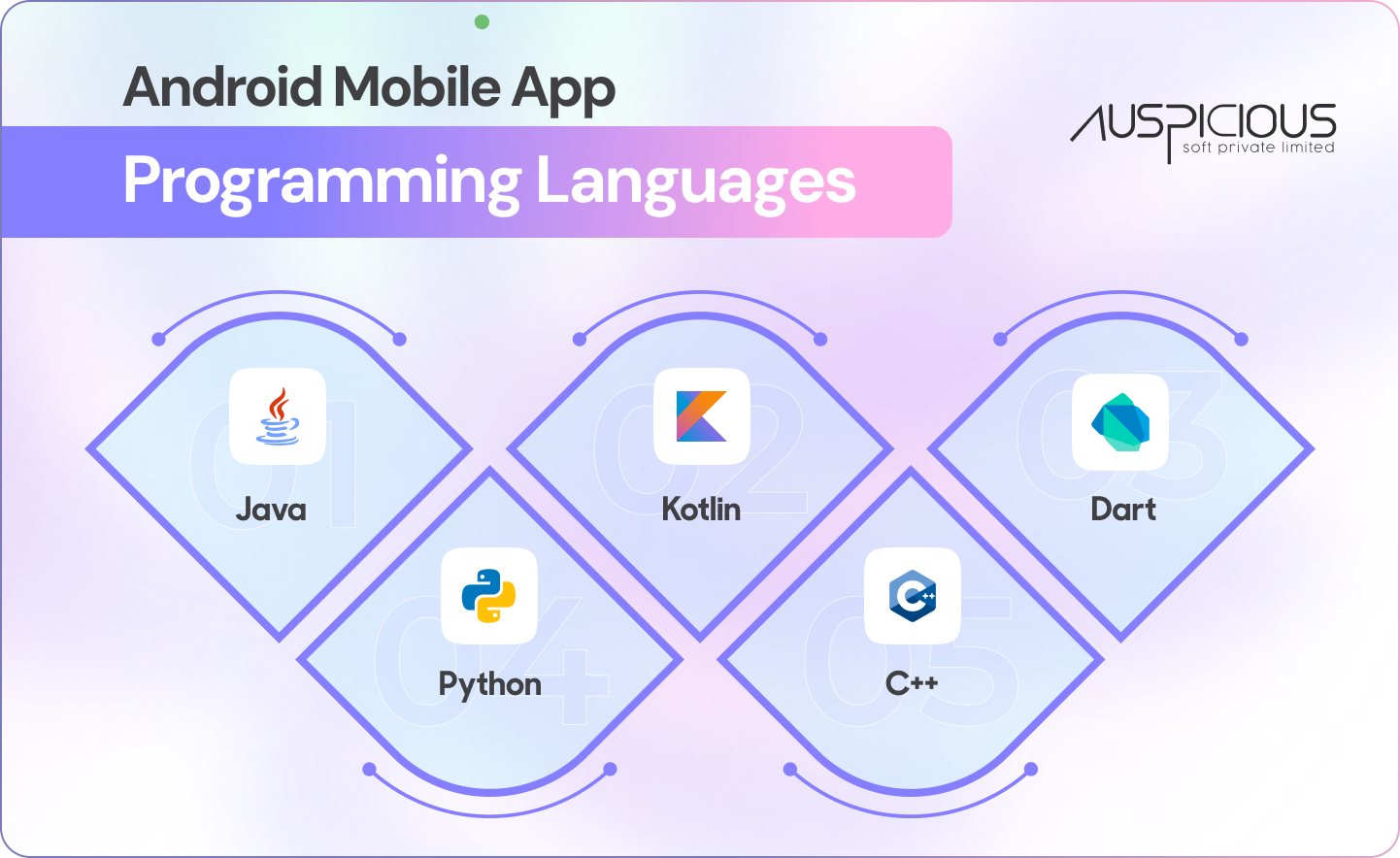
Diagram 1: Overview of Android App Programming Languages
Here is the above diagram that illustrates the key languages and their respective use cases:
Languages:
Java: Enterprise Apps
Kotlin: General-Purpose Android Apps
Dart: Cross-Platform Apps
Python: AI-Powered Apps
C++: High-Performance Apps
Diagram 2: Decision Tree for Language Selection
App is cross-platform?
Yes: Dart (Flutter).
No: Continue.
App has AI/ML?
Yes: Python.
No: Continue.
High performance is critical?
– Yes: Use C++.
– No: Use Kotlin or Java.
Choosing Your Ideal Android App Programming Language
There is no single ‘best’ Android programming language for every situation in 2026 — and any article that claims otherwise is oversimplifying a decision with real business consequences. The right choice depends on four factors: your existing team’s skills, your app’s performance requirements, your timeline and budget, and whether you need to support iOS in addition to Android. The decision tree below gives you a clear, honest framework for making this choice without getting lost in language wars and community opinions. The best choice of programming language depends on many factors such as project complexity, budget, and team skill. Here’s a decision tree to simplify your choice:
Job Market Data by Android Language (2026)
| Language | US Average Salary | Active US Job Postings | Demand Trend | Top Hiring Companies |
|---|---|---|---|---|
| Kotlin | $115,000 – $175,000 | 48,000+ listings | Rising strongly | Google, Meta, Airbnb, Uber, fintech startups |
| Java (Android) | $100,000 – $155,000 | 35,000+ listings | Declining — legacy maintenance | Large enterprises with legacy Android codebases |
| Flutter / Dart | $110,000 – $165,000 | 28,000+ listings | Fastest growing in 2026 | Startups, cross-platform product teams, agencies |
| React Native / JS | $105,000 – $160,000 | 52,000+ listings | Stable — large existing base | Social media companies, ecommerce platforms, agencies |
| C++ (NDK) | $130,000 – $185,000 | 8,000+ listings | Specialist niche — stable | Game studios, audio technology, low-level SDK teams |
| Python (Android) | $90,000 – $140,000 | 2,000+ listings | Declining for Android use | Data science teams building mobile prototypes only |
How to Leverage Android Mobile Application Development Services
Professional Android mobile application development services engage:
Specialized Language Choice: Experts will suggest the most suitable Android app programming language for your business needs.
Efficient Development: Smooth workflows save time and money in the development process.
Latest Technology: Latest tools and frameworks are used.
Your Competitors Are Already Online.Mobile App · Web · Software Development — Don't Get Left Behind.
Future Prospects of Android App Programming Languages
The Android language landscape in 2027 and beyond will be shaped by three converging trends: Kotlin Multiplatform going mainstream (already at 23% adoption and growing), Google’s Android XR platform requiring new spatial UI paradigms, and on-device AI capabilities (via ML Kit and Google’s Gemini Nano) becoming a baseline expectation rather than a premium feature. Developers who invest in Kotlin today are also positioning themselves for Kotlin Multiplatform — which allows sharing business logic between Android, iOS, and backend — making it the highest-ROI language skill investment in the Android ecosystem right now.
With 2026 approaching, we predict:
Greater Adoption of Kotlin: Kotlin will continue to dominate due to its efficiency and Google’s endorsement.
Increased Popularity of Dart: The rise of Flutter will cement Dart’s position for cross-platform apps.
AI Integration Using Python: Python’s robust libraries will make it a go-to choice for AI-driven applications.
Conclusion
Choosing the right Android app programming language is a crucial step in developing quality mobile applications. By keeping abreast of trends and using professional Android mobile application development services, businesses can future-proof their apps and ensure long-term success. For more information, read our in-depth analysis of the best Android programming languages here.
This article captures the essence of trends and tools for Android app development, providing actionable insights for 2026. For further guidance, connect with experts and ensure your next Android project is a resounding success!
FAQs
Q: What is the best programming language for Android app development in 2026?
Kotlin is the best language for native Android development in 2026. Google officially recommends Kotlin, 95%+ of top Android apps on Google Play are built in Kotlin, it eliminates entire crash categories (null pointer exceptions) that Java cannot, and all new Android API documentation is published Kotlin-first. For cross-platform iOS and Android, Flutter with Dart leads the market with 52% developer adoption among cross-platform developers.
Q: Should I learn Kotlin or Java for Android development in 2026?
Learn Kotlin. Java is still used for maintaining legacy Android codebases, but Google has been unambiguous since 2019 that Kotlin is the future of Android. All new Jetpack libraries are Kotlin-first, all modern Android development tools are optimised for Kotlin, and Kotlin engineers earn 10–15% higher salaries than Java Android engineers. Java Android development is in maintenance mode — valuable for specific legacy contexts but not the right starting point for new Android skills in 2026.
Q: Is Flutter better than Kotlin for Android app development?
Flutter and Kotlin solve different problems. Kotlin is better when you are building an Android-only app that needs native performance and full access to the entire Android API surface. Flutter is better when you need to ship the same app on both iOS and Android simultaneously — it shares 70–90% of code between platforms and reduces total development cost by 35–45%. Both are fully production-ready in 2026 and appropriate for their respective use cases.
Q: Can Python be used for Android app development in 2026?
Python can technically be used for Android development via BeeWare’s Briefcase tool or the Kivy framework, but it is not recommended for production consumer apps. Python Android apps suffer from slower startup times, larger app file sizes, limited hardware API access, and significantly less tooling support compared to Kotlin or Flutter alternatives. Python for Android is appropriate for internal tools, rapid prototypes, or situations where a data science team needs to ship something functional without mobile development expertise.
Q: What Android development language does Google use for its own apps?
Google builds its own Android apps in Kotlin — the language it officially recommends for Android development since 2019. Google’s own production Android apps built in Kotlin include Google Maps, Gmail, Google Pay, YouTube, and Google Drive. The fact that Google uses Kotlin for its own flagship apps is the most reliable signal of long-term platform support, tooling investment, and ecosystem health you can use to evaluate the language choice.